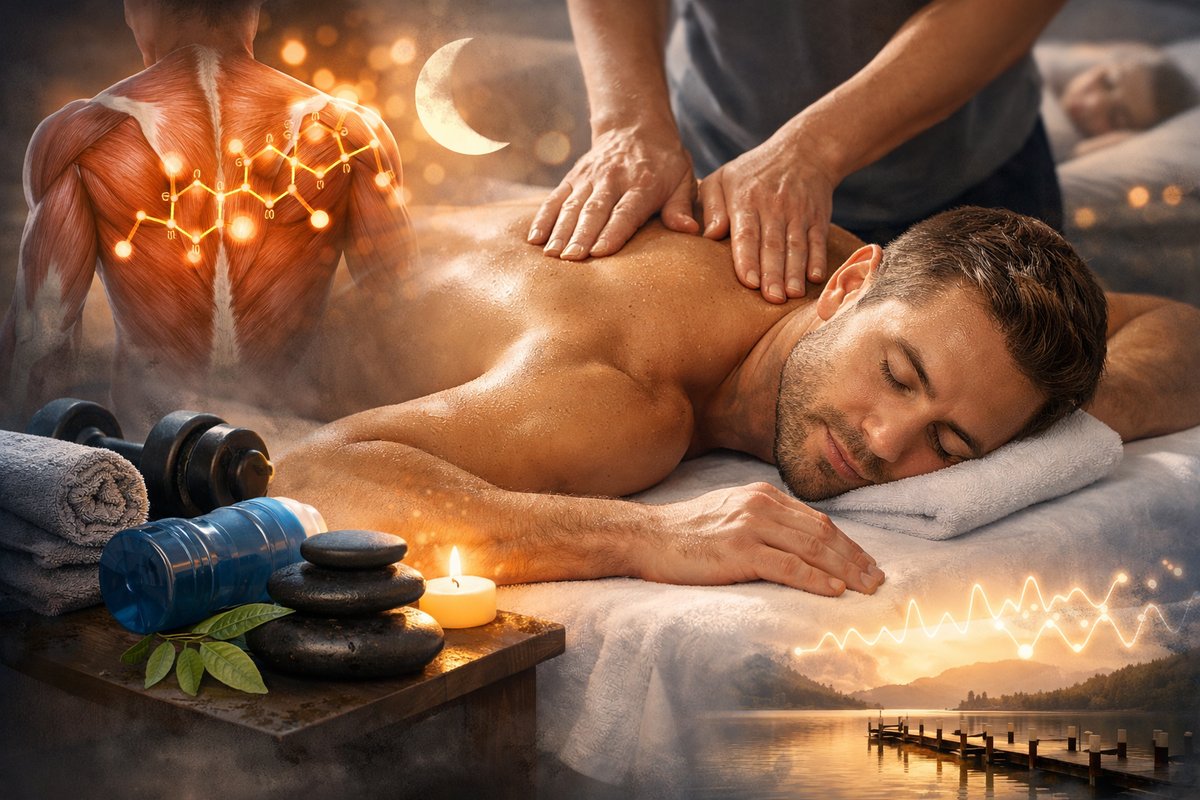

After a challenging workout or long day on your feet, muscles can feel tight, heavy, or sore. Sports massage uses targeted, hands-on techniques to loosen tension, improve circulation, and speed recovery so you can move freely and rest deeply. Drawing on decades of clinical research and the insights of licensed therapists, this article explains why sports massage matters for anyone who seeks better performance, less discomfort, and a calmer mind.
Why Post-Workout Recovery Matters
Exercise stresses muscle fibers, creating microscopic tears that must repair before strength and endurance improve. Without proper recovery, persistent tension can lead to stiffness, reduced range of motion, and even overuse injuries. In addition to physical strain, intense training raises stress hormones like cortisol. Left unchecked, elevated cortisol can interfere with sleep, slow healing, and impair immune function.
Sports massage offers more than immediate relief. By working on connective tissues and muscles, it supports healthy blood flow, encourages lymphatic drainage, and helps clear byproducts such as lactic acid. Over time, regular sessions can promote structural alignment and functional movement patterns, reducing the risk of setbacks and boosting overall resilience.
How Sports Massage Works on Muscles
Techniques in sports massage include effleurage (long, gliding strokes), petrissage (kneading and rolling), friction (cross-fiber rubbing), and trigger point work (focused pressure on tight spots). Each method targets a different layer of tissue:
- Superficial fascia: Effleurage warms the skin and eases surface tension, creating a soothing transition into deeper work.
- Muscle belly: Petrissage helps stretch muscle fibers, improve flexibility, and break up small knots that form after heavy exertion.
- Deep fascia and adhesions: Friction can gently separate tight layers, enhancing mobility around joints.
- Trigger points: Sustained pressure loosens hypersensitive spots, restoring length to shortened fibers and reducing referred pain.
By influencing the nervous system, sports massage also shifts the body out of a high-alert “fight or flight” state. A drop in heart rate and blood pressure follows deep, rhythmic strokes, encouraging the release of endorphins-natural mood lifters that ease discomfort and foster a sense of calm.
Stress Relief and Improved Sleep
High-intensity workouts and daily stressors both trigger the sympathetic nervous system. Sports massage counters this by activating the parasympathetic branch, responsible for rest and repair. Studies show a single session can lower cortisol levels by up to 30% and boost oxytocin, the so-called “bonding hormone,” which helps the mind settle.
Improved sleep often follows. When muscle tension eases and stress hormones decline, falling asleep becomes simpler and deeper sleep cycles lengthen. Athletes who include massage in their routine report fewer night-time awakenings and quicker transitions between sleep stages-key factors in mental clarity and physical recovery.
Practical Tips for a Safe Session
1. Communicate openly: Share your exercise routine, injury history, and areas of discomfort before the session starts. Clear feedback on pressure levels helps your therapist customize each stroke.
2. Hydrate well: Ample water before and after massage aids circulation and assists the lymphatic system in flushing out metabolic waste.
3. Ease into deep work: If you’re new to sports massage, begin with lighter pressure. Building tolerance over a few sessions minimizes soreness and allows tissues to adapt.
4. Follow aftercare advice: Gentle stretching, a warm bath with Epsom salts, or a brief walk can prolong the benefits of your massage and prevent tightness from returning too quickly.
Self-Care Moves You Can Try at Home
Between professional sessions, simple self-massage tools and mindful techniques help maintain circulation and mobility:
- Foam rolling: Roll slowly over large muscle groups like calves, quads, and back. Pause on tender spots for 20-30 seconds to release tight areas.
- Muscle roller stick: Glide the stick along hamstrings and arms, adjusting pressure with your hands to suit your comfort level.
- Hand-held ball: Lean against a soft ball against a wall to apply pressure to the shoulder blades or glutes, holding tension points for a gentle release.
- Breath-guided stretching: Synchronize deep inhales with lengthening movements and exhalations with gentle release to maximize relaxation.
Nourishing Recovery with Mindful Care
Integrating sports massage into your self-care routine offers a holistic boost to both body and mind. Whether you’re an athlete chasing personal bests or someone seeking simple relief after a busy commute, targeted touch therapy can unlock deeper rest, balanced stress responses, and smoother movement. Listen to your body’s signals, build a recovery plan that fits your lifestyle, and remember: consistency and communication are key. With mindful care, every session becomes a step toward greater ease and lasting well-being.