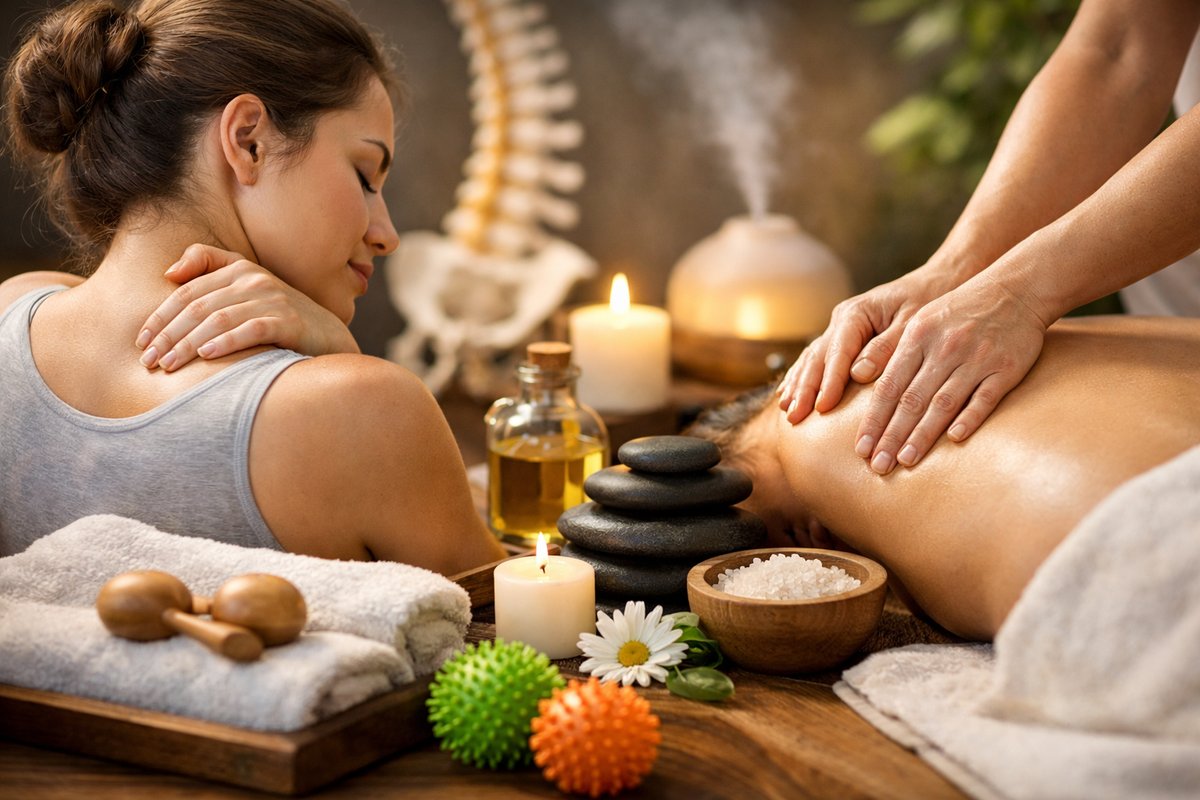

Whether it’s the constant click of a keyboard, a long commute, or the weight of everyday responsibilities, our muscles often tense up in response. Left unchecked, that tension can lead to discomfort, restless nights, and a general sense of unease. Fortunately, manual massage offers a grounded, hands-on way to soothe tight fibers, reduce stress hormones, and invite a deeper sense of ease. From simple self-care routines to professional techniques, this article guides you through evidence-informed steps that help muscles unwind and the mind settle.
Why Muscle Tension Matters
Muscle tension is not simply a matter of knots or stiffness. Scientific literature highlights how prolonged activation of stress pathways can cause muscles to remain in a semi-contracted state, contributing to discomfort and restricted movement. When muscle fibers stay shortened for too long, circulation slows down, leading to a buildup of metabolic byproducts that can intensify pain signals. Over time, this can ripple into poor posture, headaches, and even trouble drifting off at night.
Recognizing early signs of tension-like the sense of a tight band across the shoulders or mild soreness after sitting in one position-is the first step toward relief. Honing in on these sensations can prevent minor tightness from escalating into chronic discomfort. By addressing muscle tension regularly, we help maintain flexibility, support healthy blood flow, and create a more resilient foundation for everyday activities.
The Science of Touch
At its core, manual massage relies on targeted pressure and movement to influence the body’s natural responses. Mechanoreceptors deep within the skin and muscle detect pressure from gentle strokes and kneading motions, sending calming signals to the nervous system. Researchers note that activating these receptors can reduce the release of stress hormones like cortisol while boosting feel-good neurotransmitters such as serotonin and dopamine.
Two key players in muscle tension are muscle spindles and Golgi tendon organs. Muscle spindles sense how quickly a muscle changes length, while Golgi tendon organs monitor tension levels. Skilled hands can modulate these signals, prompting muscle fibers to relax. By holding pressure on a tight spot-often called a trigger point-a trained therapist can encourage the Golgi tendon organs to send a release message back to the muscle, easing its contracted state.
Studies in sports science and rehabilitation underscore the benefits of manual techniques for post-exercise recovery. Athletes often use massage to reduce delayed onset muscle soreness and clear lactate buildup. While the context may differ, the underlying principle holds true: gentle, sustained pressure stimulates circulation, helps muscle fibers glide past one another smoothly, and diminishes the sensation of tightness.
Techniques You Can Try Today
You don’t need a professional massage table to begin easing tension right now. A high-density foam roller placed under a tight muscle can apply broad, consistent pressure as you roll slowly back and forth. Focus on areas like the calves, thighs, or upper back, using your body weight to control intensity. Breathe deeply as you glide, and pause on tender spots for 20 to 30 seconds to invite gradual release.
Another accessible tool is a pair of small, firm massage balls. Position them against a wall or floor and lean into the pressure over areas such as the shoulders or glutes. Move in tiny circles or gentle up-and-down motions, tuning into feedback from your body. If a spot feels too intense, lighten your touch or shift slightly until you find a comfortable threshold of pressure.
Hands-on self-massage can also make a difference. Warm a small amount of unscented oil between your palms and use broad strokes to warm up the skin over tense areas. Then apply firmer kneading or thumb-pressure along muscle fibers, always moving in the direction of your heart to support circulation. End with a gentle, feather-light stroke to soothe the nervous system.
The Role of Professional Massage
While self-care tools are invaluable, a trained massage therapist brings an extra layer of skill and insight. Therapists can tailor techniques-such as Swedish massage strokes for general relaxation or targeted trigger-point release for persistent knots-to your unique needs. They also have an in-depth understanding of anatomy, allowing them to reach deeper layers of muscle tissue without causing undue discomfort.
Sports massage, for example, blends lengthening strokes and stretching to support athletes before or after activity. In contrast, a general relaxation massage may focus on long, fluid motions to settle the nervous system and encourage parasympathetic activation. Communicating openly with your therapist about pressure levels and areas of concern ensures you receive the most effective, enjoyable experience.
Supporting Practices for Lasting Relief
Massage is most effective when woven into a broader routine of healthy habits. Simple stretches-like a gentle chest opener against a doorway or a seated forward bend-help maintain the gains made during massage sessions. Incorporating these movements into a daily ritual reinforces muscle length and reduces the chance of tightness returning.
Mindful breathing exercises can complement manual release work. Before or after a massage, spend a few minutes inhaling slowly through the nose and exhaling softly through slightly parted lips. Coordinating breath with movement-for instance, inhaling as you lengthen and exhaling as you fold-encourages muscles to let go and improves oxygen flow to fatigued tissues.
Hydration and sleep also play pivotal roles in muscle health. Drinking water supports circulation and helps muscles flush out metabolic byproducts. Quality rest allows the body to repair the micro-damage that occurs from daily activity and massage itself. Prioritizing seven to nine hours of sleep each night creates the ideal environment for muscles to remain supple and resilient.
A Gentle Invitation to Self-Care
Muscle tension is a common companion to modern life, but it doesn’t need to dictate how you move or feel. By incorporating manual massage techniques-whether through self-care tools or professional sessions-alongside mindful movement, breathing, and rest, you can support your body’s natural ability to relax and recover. Listen to the subtle cues of your muscles, honor moments of pause, and let the power of touch guide you toward greater ease and wellbeing.