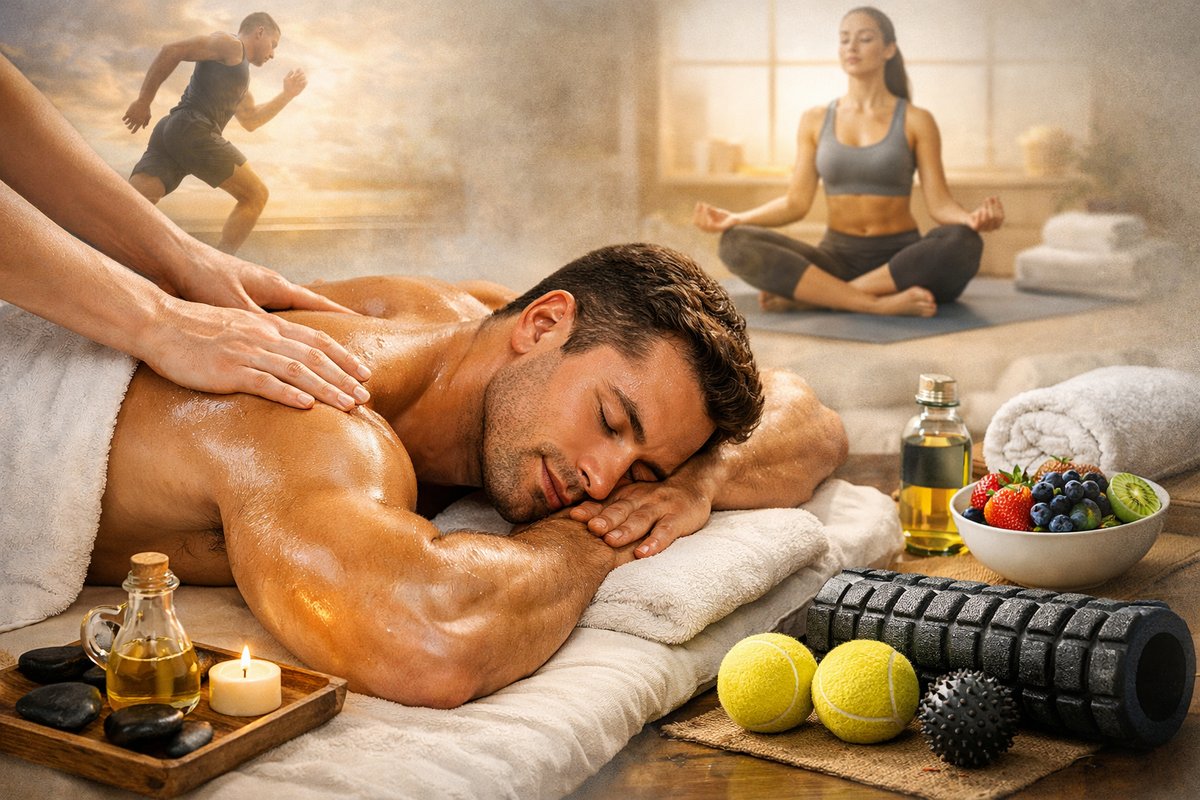

Why Sports Massage Matters for Everyday Wellness
Sports massage isn’t just for competitive athletes. Whether you spend long hours at a desk, tackle chores around the house, or enjoy weekend runs, gentle manual work on muscles can boost circulation, reduce tightness, and ease mental stress. In this section, we’ll explore how targeted massage supports your body’s natural recovery process and why investing a few minutes in self-care can make a major difference in daily energy levels and comfort.
Circulation Boost and Reduced Muscle Soreness
When you apply pressure along muscle fibers, tiny blood vessels open and circulate fresh oxygen and nutrients. Studies show that massage helps clear metabolic byproducts such as lactic acid, reducing delayed-onset muscle soreness (DOMS). You might notice less throbbing or stiffness the day after a workout or a physically demanding task. By promoting efficient blood and lymph flow, sports massage aids in the disposal of waste products and soothes tender spots. A simple 5-minute massage with moderate pressure on calves, quads, and hamstrings can deliver noticeable relief.
Improving Flexibility and Range of Motion
Limited range of motion often stems from brief muscle spasms or adhesions in connective tissue. Regular manual work encourages fibers to glide smoothly past each other. Evidence suggests that myofascial release techniques can increase flexibility without compromising strength. For instance, rolling a foam roller along your thighs before a run can help lengthen the underlying fascia and improve stride. Over time, consistent massage paired with gentle stretching can make everyday movements-bending, lifting, even reaching overhead-feel more fluid and less stiff.
Stress Relief and Nervous System Balance
An often-overlooked benefit of sports massage is its effect on the nervous system. Applying pressure activates receptors that signal the brain to reduce the release of stress hormones. In practice, you may notice a drop in heart rate or a feeling of grounded calm after a short self-massage session. This parasympathetic response helps you unwind and can lead to better sleep quality. Even a few slow, deliberate strokes along the neck or shoulders can ease mental tension that builds up from screens, traffic, or daily pressures.
Safe Techniques You Can Try at Home
You don’t need fancy equipment to start reaping benefits. Here are three simple, safe approaches:
• Foam rolling: Lie on a high-density foam roller placed under a tight muscle group. Use your body weight to apply gentle pressure, rolling slowly back and forth. Focus on tender spots for 20-30 seconds, then move on.
• Massage balls: A firm rubber ball or tennis ball can target knots in your upper back or glutes. Place it between your body and a wall or the floor, lean into it, and breathe as you apply pressure.
• Hand techniques: Use your fingertips or thumbs to knead muscles in circular motions. Start with light pressure and gradually firm up as your tissue relaxes. Aim for sections that feel more stuck or sensitive, but never push into sharp pain.
Always listen to your body. If an area feels bruised or you have acute injury, give it time to heal or seek professional guidance. Consistency matters more than intensity-five minutes a day can yield better results than a hard session once every few weeks.
Navigating Professional Sessions
While self-massage is a powerful tool, working with a qualified sports massage therapist offers deeper release and tailored care. A trained practitioner can assess movement patterns, identify imbalances, and use techniques like deep transverse friction or assisted stretching that are hard to replicate solo. In a typical session, you’ll share your activity level, aches, and goals. The therapist then applies manual approaches combined with positional work to help muscle fibers reorganize more effectively.
You can prepare for a session by staying hydrated and wearing breathable, loose-fitting clothing. Afterward, sip water or an electrolyte drink to support the flushing of metabolic waste. Pay attention to how your muscles feel over the next 24-48 hours, and schedule follow-ups based on recovery needs rather than a fixed timeline.
A Mindful Path to Recovery
Sports massage offers more than momentary relief-it cultivates body awareness. As you explore pressure, pacing, and positioning, you learn which areas hold stress and how your body responds. Over time, this feedback loop helps you modify posture, adjust workout routines, and prioritize rest. Combined with balanced nutrition, quality sleep, and regular movement, manual therapy becomes a keystone habit in maintaining resilience and comfort.
Embrace a gentle, curiosity-driven approach. Notice how small daily actions can add up to a more relaxed, agile you. With consistent attention to muscle health, recovery shifts from an afterthought to an ongoing practice that supports every aspect of your life.