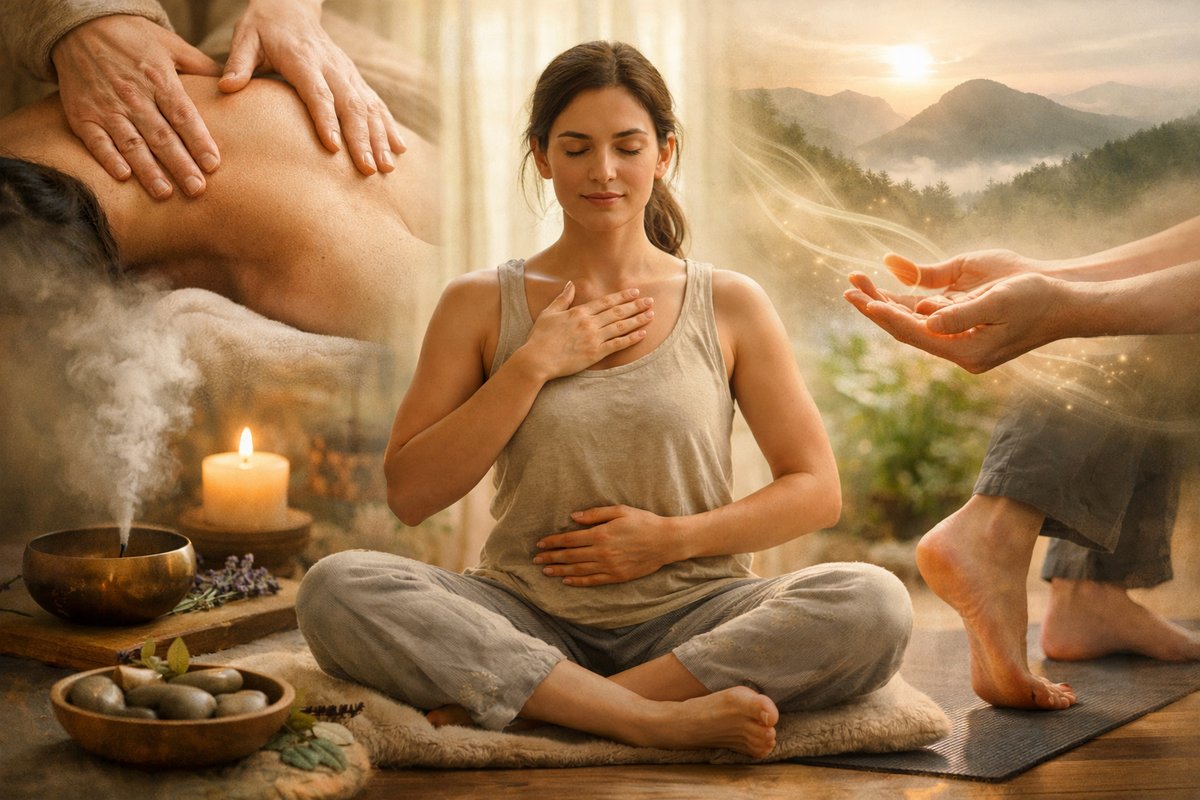

Why Whole-Person Massage Matters
Imagine a moment when you feel fully present in your body-muscles soften, breath deepens, and the mind slowly unwinds from its busy patterns. Whole-person massage nurtures this experience by honoring your physical, emotional, and lifestyle rhythms all at once. Rather than focusing on a single ache or knot, it invites you to notice how your posture, mood, and daily routines intersect. Research in integrative massage therapy suggests that combining touch with conscious breathwork and gentle stretches can reduce levels of the stress hormone cortisol and increase the neurotransmitter serotonin, supporting both relaxation and emotional resilience.
Inviting Sensory Awareness
The first step toward a grounded massage practice is tuning in to your senses. Begin by settling into a quiet corner of your home with soft, natural light. Take three slow, nourishing breaths-inhale through your nose, feeling the belly expand; exhale through the mouth, allowing any tension to melt away. Notice the sensation of fabric beneath your hands: is it cool cotton, plush microfiber, or smooth silk? Pay attention to ambient sounds-the hum of conversation in another room, birdsong drifting through an open window, or the gentle rush of a fan. This kind of sensory check-in primes your nervous system for relaxation and deepens your connection to the present moment.
Simple Massage Techniques You Can Try Today
Face and Scalp Softeners:
• With clean hands, place your fingertips at your hairline and gently sweep them backward, applying light to moderate pressure across the forehead and temples.
• Circle your thumbs along the top ridge of the scalp, pausing at spots that feel tense. This can ease headaches and invite mental clarity.
Neck and Shoulder Release:
• Support your right arm with your left hand. Use your right fingers to knead along the base of your skull, then sweep downward across your trapezius muscle toward the shoulder.
• Reverse sides. Keep movements slow, guided by your breath-exhale as you press into a tight spot, inhale as you release.
Palm and Foot Nourishment:
• Cup your left hand around your right thumb joint. Gently rotate and squeeze, then move to each finger knuckle. This mobilizes small joints and can relieve hand fatigue.
• Sit comfortably and roll a small massage ball under the arch of your foot for 30 seconds-this simple gesture can ground your energy and reduce tension after long periods of standing or sitting.
Tools to Deepen Your Practice
While skilled hands are at the heart of any massage, a few accessible tools can extend your reach and empower you to explore new techniques safely at home:
• Foam Roller: Use it along the spine, hamstrings, or calves for a gentle myofascial release that complements your hands-on routines.
• Handheld Massage Ball: Ideal for targeted pressure along muscles and trigger points; roll it slowly and breathe into sensations.
• Heat-Retaining Neck Wrap: A lightweight, microwave-safe pad that brings warm comfort to the cervical area, encouraging muscles to relax more readily.
Keep the pressure moderate and move slowly. If something feels uncomfortable or painful, lighten your touch or switch to a different area.
Integrating Massage Into Daily Life
True balance comes when body-mind practices blend seamlessly into routines. Consider these simple rituals:
• Morning Wake-Up Rub: Before rising, spend one minute massaging your feet, ankles, and calves. This signal to your system can ease you into the day with grounded presence.
• Midday Recharge: Pause at your desk for a seated neck roll and shoulder blade squeeze. Breathe deeply as you soften each vertebra.
• Evening Wind-Down: Dim the lights, apply a drop of unscented oil to your hands, and run palms along your ribs and lower back. Cover with a light blanket to maintain warmth and continue sensing the aftermath of each gentle stroke.
Over time, these micro-moments of caring touch can help regulate your nervous system, leading to improved sleep, reduced muscle stiffness, and a greater sense of ease throughout your day.
Evidence-Informed Benefits
Clinical studies have shown that consistent self-massage and professional whole-person massage protocols can:
• Lower perceived stress by up to 30% after just a few weeks of practice.
• Improve heart-rate variability, an indicator of a resilient autonomic nervous system.
• Enhance mood and reduce symptoms of mild anxiety through gentle tactile stimulation combined with mindful breathing.
These outcomes are tied to the release of endorphins and the maintenance of healthy circulation, both of which are supported by regular, balanced massage routines.
Recommendations for Safe Practice
• Listen to Your Body: Always adjust pressure and speed to match your comfort level.
• Mindful Positioning: Use pillows or cushions to support your joints and avoid awkward angles-comfort leads to deeper relaxation.
• Hydration: Drink water before and after massage sessions to support tissue health and flush released toxins.
• Seek Professional Guidance: If you have a history of musculoskeletal injury or chronic pain, consult a licensed massage therapist or healthcare provider before exploring new techniques.
By weaving together mindful breathing, gentle touch, and simple tools, whole-person massage becomes a dynamic practice of self-care that honors your body and emotions equally.
A Gentle Nudge Toward Ongoing Self-Care
Let this guide serve as an invitation to slow down, tune in, and honor the intricate dialogue between your body, breath, and mind. Over time, you may find that these tactile rituals bring not only relief from stress but also a renewed curiosity about the wisdom stored in your muscles, joints, and connective tissues. Remember that every thoughtful stroke, every caring pause, is a step toward deeper balance and vibrant wellbeing.