
Why Wholistic Massage Matters
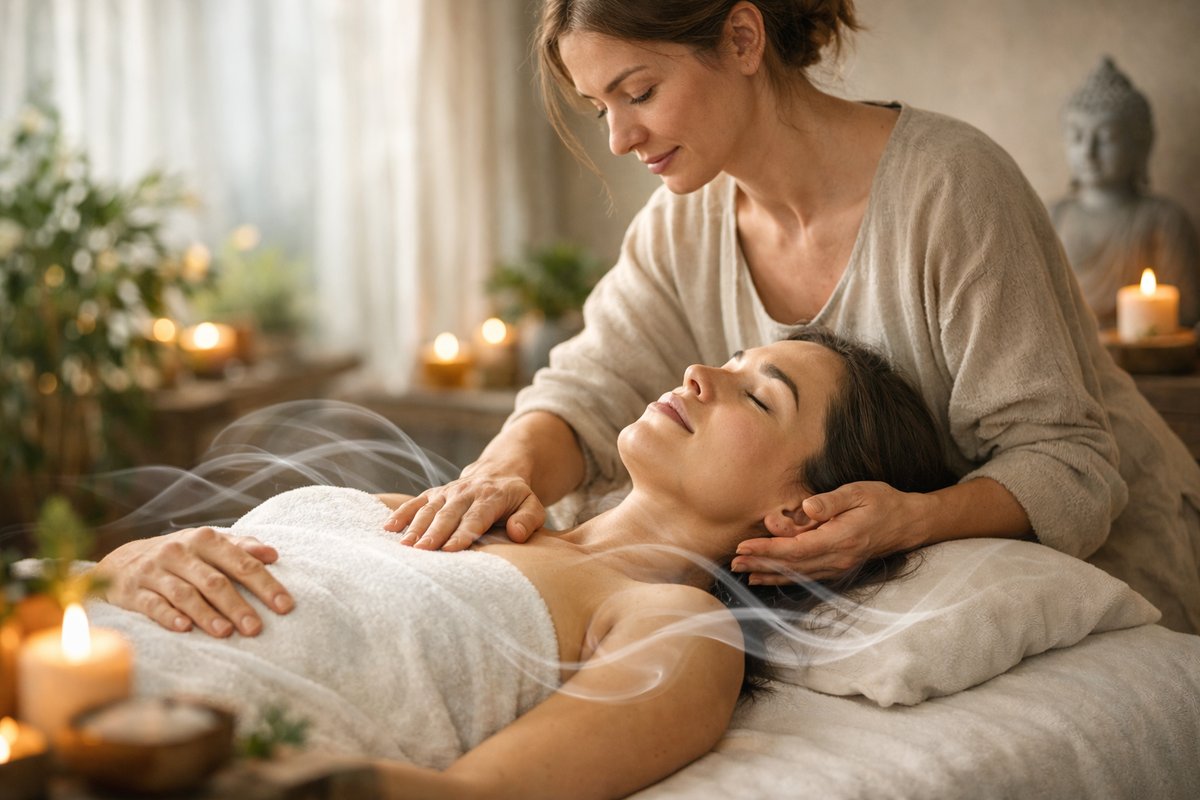
Every day presents a cascade of demands-emails to send, deadlines to meet, and relationships to tend. Underneath the mental to-do list, our bodies hold tension in shoulders, necks, and lower backs. Wholistic massage recognizes that none of us is purely physical or purely emotional: we move through life as a unified whole. When thoughtfully applied, integrative touch invites us to step out of autopilot, reconnect with our breath, and notice the subtle interplay between muscles, thoughts, and feelings. It’s not about seeking a cure or diagnosing a condition. Instead, this approach offers tools to ease tension, soothe stress responses, and strengthen awareness in everyday moments.
The Synergy of Touch and Breath
At the heart of wholistic massage lies a simple pairing: intentional touch and mindful breathing. Research in massage therapy reviews finds that even brief sessions combining gentle pressure with guided breath can lower heart rate, reduce cortisol levels, and boost feelings of calm. In practice, you might apply long, sweeping strokes along your upper back while inhaling slowly through the nose and exhaling with a soft sigh. The steady rhythm helps nerves shift from a “fight-or-flight” mode toward a state of rest and digest. As muscles ease, you may notice emotional weight lifting, subtle shifts in mood, or a heightened sense of presence in your body.
Evidence-Informed Techniques You Can Try at Home
Tailoring simple massage moves to your own daily routine encourages self-reliance and gentle empowerment. Below are three accessible techniques rooted in massage-therapy principles:
• Rhythmic Neck Roll with Light Pressure: Seated comfortably, rest one hand on your opposite shoulder. Use the fingertips of your free hand to apply circular, kneading motions along the back and side of your neck. Inhale for a count of four, exhale for a count of six. Repeat on both sides for one to two minutes.
• Palm Glide Along the Spine: Lie face down on a firm surface with a small, folded towel under your forehead. Press your palms flat on either side of your spine, just above your hips. Using even, gliding motions, sweep upward toward your shoulders. Pause gently at tension spots, varying pressure from lighter to firmer based on comfort. Fifteen to twenty strokes can help relieve low-back tightness.
• Calf Compression for Grounding: While seated, cross one ankle over the opposite thigh. Wrap both hands around your calf, thumbs meeting at the shin bone. Apply rhythmic, inward pressure as you move hands down toward the ankle. This technique supports circulation and can feel reassuring, especially after a long day of standing or walking.
Practice these moves in a quiet corner of your home, tuning in to temperature, touch, and breath. If you have any concerns-such as recent injuries or skin conditions-consult a qualified massage therapist before trying self-massage techniques.
Listening to Your Body: Comfort and Safety First
Wholistic massage isn’t a performance or a test; there’s no “perfect technique” to memorize. Safety and comfort guide every choice:
• Pressure Awareness: A common guideline in massage therapy is to maintain pressure between a gentle 2 and a more pronounced 5 on a 1-10 scale. If you encounter sharp pain, ease off immediately.
• Breath as Feedback: When you inhale, sense where your body might be bracing. As you exhale, allow the targeted area to soften. If breath becomes shallow or you feel lightheaded, stop and rest.
• Adaptable Timing: Some days call for a brief two-minute neck release. Other days might warrant a ten-minute full-back slide. Honor your energy levels and time constraints.
By staying attuned to sensations, you build trust in your own body’s wisdom. Over time, this gentle awareness ripples into posture choices, stress habits, and even daily movements like lifting groceries or typing at a computer.
Weaving Wholistic Massage into Everyday Life
When you begin to recognize tension patterns-tight jaw muscles during calls, tense shoulders at the keyboard-you can weave short massage moments into routines:
• Morning Ritual: Upon waking, use your thumbs to circle around your temples for thirty seconds, promoting alertness without jarring energy.
• Midday Reset: Before lunch, stand at your desk. Place both hands on the lower back and rock pelvis forward and back, breathing deeply to ease lumbar compression.
• Evening Unwind: While sitting on the couch, prop a tennis ball between your shoulder blade and the wall. Gently lean in and roll the ball to pinpoint tight spots. Pause with steady breathing.
These bite-sized practices transform small pockets of time into opportunities for reconnection. Rather than waiting for a spa appointment, you become your own first responder to stress.
The Ripple Effect of Whole-Person Care
When massage blends with mindful living-like choosing nourishing meals, taking short walks in nature, and carving out tech-free moments-the benefits multiply. Consistent touch and breath routines encourage nervous-system balance, which may improve sleep quality and foster emotional resilience. Even a few minutes daily can translate into more fluid movement, reduced tension headaches, and a calmer mindset when juggling responsibilities.
A Gentle Reminder to Honor Your Rhythm
Wholistic massage isn’t a once-in-a-blue-moon indulgence. It’s an ongoing dialogue with your body’s signals. Whether life feels hectic or surprisingly calm, your hands and breath offer a reliable path back to equilibrium. Start small. Celebrate subtle shifts in comfort. And remember: every mindful touch, even when brief, affirms your innate capacity to nurture yourself.
By weaving these simple, evidence-informed techniques into your day, you cultivate a gentle foundation of self-care. In time, that foundation can support clearer thinking, easier movement, and a more balanced response to life’s twists and turns. The next moment you notice tension creeping in, pause, place a hand on your shoulder or calf, and breathe with intention. In that quiet exchange of touch and breath, you affirm your whole-person wellbeing.