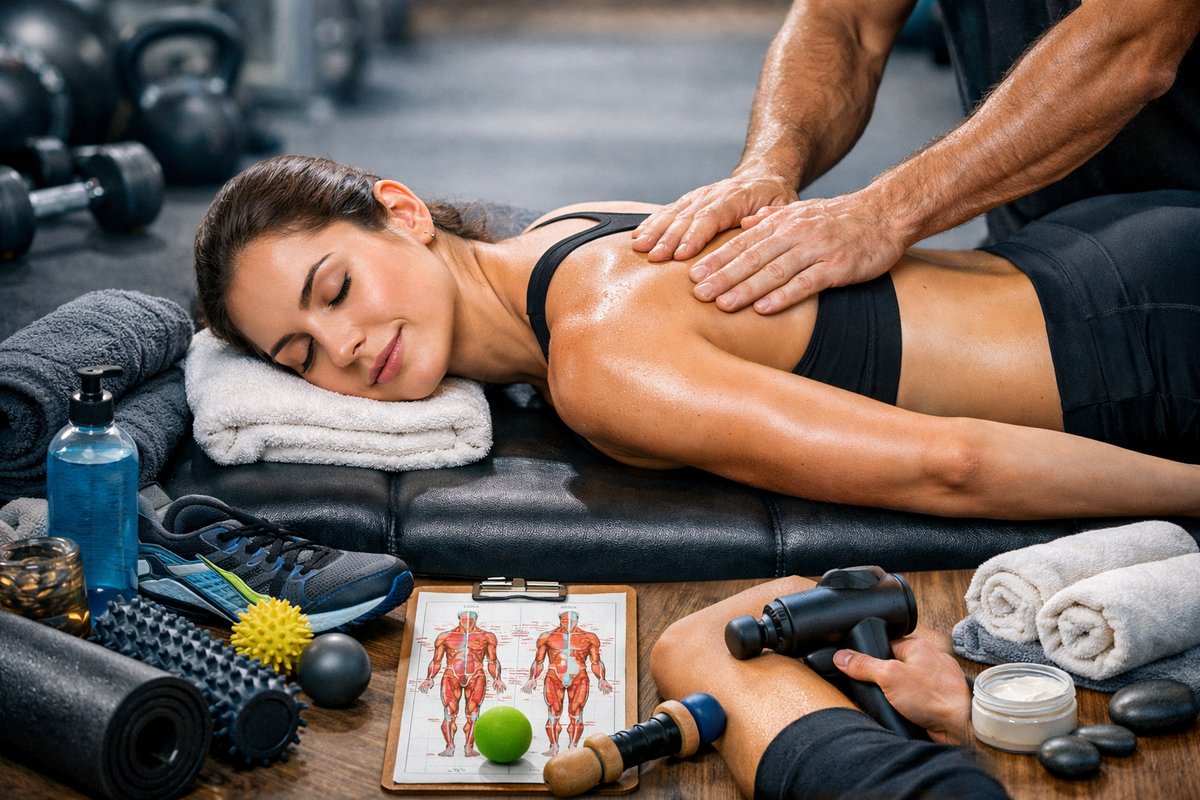

Why Sports Massage Matters for Active Lifestyles
Whether you’re training for a marathon or simply pushing your limits at the gym, physical activity places stress on muscles, connective tissues, and joints. In the hours and days that follow a challenging workout, microscopic damage to muscle fibers can lead to stiffness, tenderness, and reduced range of motion. Sports massage targets these tissues directly, promoting blood flow, flushing out metabolic byproducts, and helping fibers realign properly as they heal. By incorporating sports massage into your recovery routine, you support faster healing, lower your risk of injury, and maintain performance gains over the long term.
This guide walks you through the science, core techniques, and safe practices you can use today-whether you’re booking a session with a trained therapist or managing recovery at home.
How Sports Massage Works: The Evidence Behind the Touch
Clinical research shows that targeted massage helps reduce exercise-induced muscle soreness, often referred to as delayed onset muscle soreness (DOMS). Manual pressure breaks up tight spots, increases circulation, and stimulates the lymphatic system, assisting in the removal of waste products such as lactic acid. A study in the Journal of Athletic Training found that athletes receiving massage within 48 hours of exercise reported significantly less soreness and recovered strength more quickly than those who did not.
On a physiological level, sports massage:
- Enhances microvascular circulation to deliver oxygen and nutrients to muscle tissue
- Reduces swelling by encouraging lymphatic drainage
- Interrupts pain signals through the gate control theory, offering short-term relief
- Helps realign collagen fibers and connective tissues after heavy use
These combined effects set the stage for smooth, efficient muscle function in your next workout.
Key Techniques in Sports Massage
Although therapists may adapt their approach based on your goals and anatomy, several core strokes underpin most sports-oriented sessions:
- Effleurage: Long, sweeping strokes that warm up the tissue, spread massage oil or lotion, and prepare muscles for deeper work.
- Petrissage: Kneading or lifting the muscle to improve circulation and loosen adhesions between muscle fibers.
- Friction: Deep, targeted strokes across the grain of muscle fibers to break up scar tissue and realign collagen.
- Compression: Gradual, static pressure applied directly to tight or tender spots, holding until you feel a slight release.
- Stretching: Passive movements guided by the therapist that lengthen muscle fibers and enhance flexibility.
These manual therapies are often combined with joint mobilizations, soft-tissue release, and light stretching to address both muscles and connective tissues in a balanced way.
Integrating Self-Massage for Everyday Recovery
You don’t need to see a therapist every day to benefit from sports massage. Self-care tools make it easy to tackle tight quads, calves, and other trouble spots between professional sessions:
- Foam Roller: Roll slowly back and forth on tight areas, pausing on tender points for 20-30 seconds to encourage release.
- Massage Ball: Place a firm ball under the arch of your foot or against a wall for pinpoint pressure on knots.
- Muscle Roller Stick: Glide along the length of your arms or legs to boost circulation without needing to lie down.
- Percussive Massage Device: Use a handheld device on larger muscle groups to deliver rapid, rhythmic pulses that ease tension.
- Static Stretching: After self-massage, gently stretch the same muscles to reinforce the release and maintain flexibility.
Remember to move slowly, breathe deeply, and keep pressure moderate-if it feels too intense, lighten up or back off for a moment.
Safety Guidelines and When to Seek Professional Support
Sports massage is generally safe for healthy individuals, but it’s wise to keep a few precautions in mind:
- Avoid deep pressure on areas with acute injuries, open wounds, or uncontrolled inflammation.
- Hydrate well before and after any massage session to help your body clear metabolic waste.
- Communicate openly with your therapist about any discomfort or medical conditions you have.
- Hold off on massage if you have a fever, skin rash, or circulatory disorders until cleared by a healthcare provider.
When in doubt, consult a licensed massage therapist or physical therapist. They can tailor a treatment plan that fits your anatomy, training schedule, and recovery goals.
Putting It All Together: A Simple Post-Workout Recovery Ritual
Try this streamlined routine after a tough training day:
- Drink a glass of water to replenish fluids.
- Spend 5-10 minutes on targeted self-massage (foam roller or massage ball) for your primary muscle groups.
- Follow with 5 minutes of gentle static stretching, focusing on the same areas.
- Apply cool or warm compresses if you feel lingering soreness or tightness.
- Finish with 5 minutes of mindful breathing to calm the nervous system.
This approachable ritual can help you wake up feeling less sore and more ready for your next session.
Embrace Recovery as Part of Your Performance Path
Muscle health isn’t just about the work you put in-it’s also about how you let your body rebuild. Sports massage, whether delivered by a professional or via self-care tools, supports the natural healing process, reduces the risk of lingering imbalances, and keeps you moving freely. By weaving massage into your routine, you’re investing in long-term resilience, peak performance, and a more enjoyable fitness journey.
Take a moment today to tune into your muscles, honor their recovery needs, and celebrate every small step toward stronger, more resilient performance.