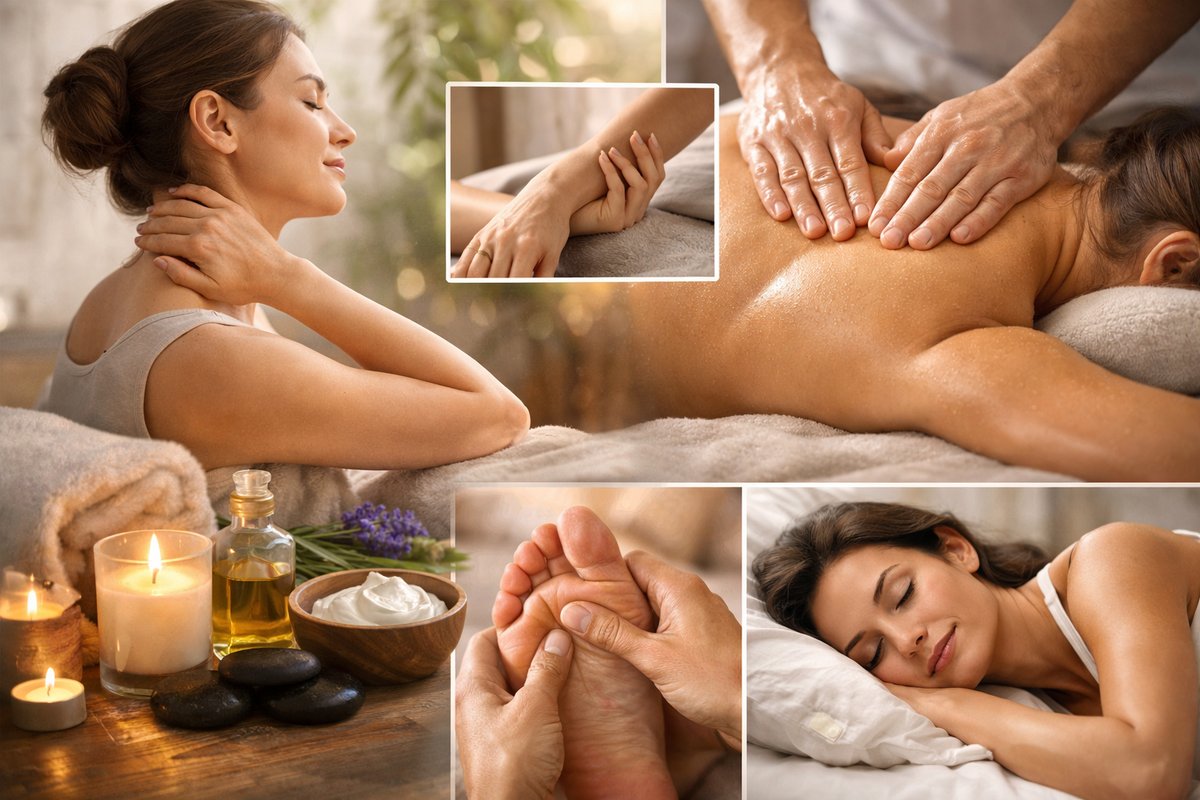

When life feels overwhelming, the gentle power of human touch can offer more than comfort-massage therapy is backed by scientific research showing real changes in the body’s stress response. By activating the nervous system’s relaxation pathways and encouraging circulation, a mindful massage routine can help you unwind after a long day, sleep more soundly, and build resilience against daily pressures.
The Stress-Massage Connection
Stress triggers a cascade of physiological reactions-elevated heart rate, tense muscles, and a surge in the hormone cortisol. Left unchecked, these patterns can contribute to headaches, fatigue, and restless nights. Massage therapy interrupts that cycle by stimulating pressure receptors in the skin and muscle. These signals travel to the brain and nudge the autonomic nervous system toward the parasympathetic state, often called the “rest-and-digest” mode.
In clinical studies, volunteers who received a 30-minute massage experienced up to a 30 percent drop in cortisol levels and reported a significant rise in the “feel-good” chemicals serotonin and dopamine. While any single session offers benefits, a consistent approach-drawing from both professional and at-home techniques-amplifies the stress-reduction effect over time.
Physiological Responses to Touch
Massage engages multiple systems at once:
- Hormonal Balance: Stimulation of the vagus nerve helps lower cortisol and boost oxytocin, the bonding hormone that fosters a sense of safety.
- Circulation Boost: Rhythmic pressure improves blood flow, delivering nutrients to muscles and carrying away metabolic byproducts that can fuel tension.
- Muscle Relaxation: Gentle kneading and compression allow muscle fibers to lengthen, relieving tight knots and preventing the buildup of discomfort.
- Nervous System Calm: A shift toward the parasympathetic state slows breathing, reduces heart rate, and quiets racing thoughts.
Techniques to Try at Home
You don’t need a massage table to tap into stress relief. A few minutes and simple tools can shift your nervous system toward calm:
- Neck and Shoulder Squeeze: Use your opposite hand to apply gentle, sustained pressure along the side of your neck and shoulder-hold each spot for 10 to 15 seconds.
- Self-Massage Ball: Lean against a textured massage ball on the wall or floor to release knots along your back and hips. Move slowly and breathe into any tight areas.
- Wrist and Hand Glide: Roll each finger between thumb and forefinger, then apply gentle pressure to the palm. This technique can ease tension that radiates from desktop work.
- Abdominal Effleurage: Light, circular strokes around the abdomen support digestion and naturally engage the parasympathetic response.
- DIY Aromatherapy: Combine a few drops of a calming essential oil-like lavender or chamomile-with a carrier oil. Warm a small amount in your palms, then gently massage temples, jawline, and the back of the neck.
Always listen to your body. If any movement causes pain beyond mild discomfort, ease up or switch to less direct pressure. Keep sessions brief-five to ten minutes per area-until you build confidence and sensitivity.
Professional Massage Approaches
While self-care is empowering, trained therapists offer advanced techniques that yield deeper benefits:
- Swedish Massage: Long, flowing strokes and kneading promote relaxation and general wellbeing. Ideal for beginners, it sets the stage for stress relief and improved circulation.
- Deep Tissue Massage: Targeting the deeper layers of muscle, this approach releases chronic tension patterns. Therapists use slower strokes and firmer pressure, focusing on specific problem areas.
- Trigger Point Therapy: Concentrated pressure on “knots” or tight spots helps break down adhesions and relieve referred pain. Clients often notice immediate softening and increased range of motion.
- Myofascial Release: By gently stretching the connective tissue that wraps muscles (fascia), therapists encourage greater flexibility and balanced posture-key factors in managing long-term stress.
Before booking, inquire about the therapist’s training and any certifications that align with your needs. Communicate openly about your comfort level and any areas of sensitivity.
Integrating Massage into Your Routine
Consistency magnifies the stress-relieving power of massage. Consider these tips to build a sustainable practice:
- Schedule short self-massage breaks during work or study sessions to interrupt tension buildup.
- Book a professional session every two to four weeks, adjusting frequency based on your lifestyle and stress levels.
- Combine massage with other calming rituals-deep breathing, gentle stretching, or a warm foot bath-to create a mini retreat at home.
- Keep a journal of how you feel before and after each session to track improvements in mood, sleep quality, and muscle comfort.
Over time, you’ll notice that even minor touch therapies unlock a greater capacity for relaxation and emotional balance, helping you face each day with renewed calm.
A Gentle Reminder of Mindful Self-Care
In a world that often prizes speed and productivity, carving out space for mindful touch can feel revolutionary. Whether you’re guiding your own hands or seeking professional expertise, massage therapy offers more than fleeting comfort-it invites you to connect deeply with your body’s natural wisdom.
As you explore these techniques, remember that self-care is an ongoing conversation. Tune in to how your muscles and mind respond, and celebrate even small shifts toward greater ease. With each gentle stroke, you’re not only releasing tension-you’re reaffirming your commitment to wellbeing and cultivating a sustaining calm that radiates into every aspect of life.