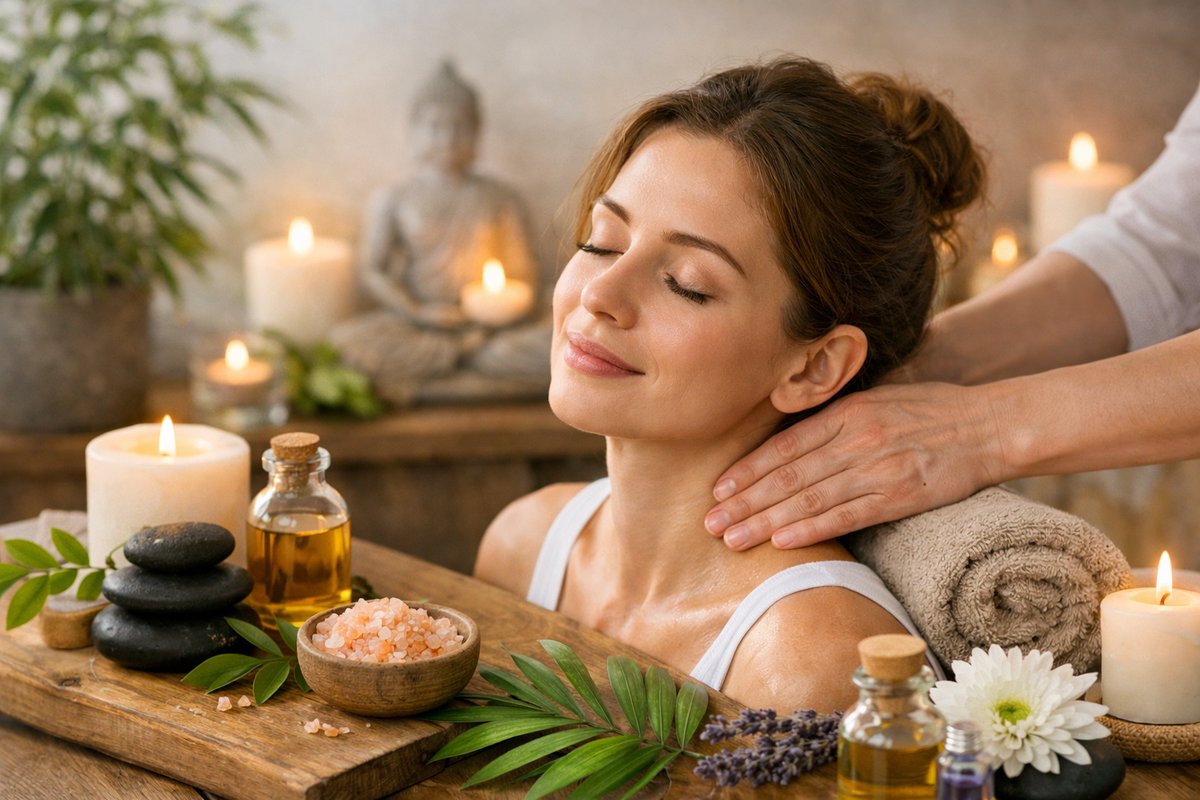

Why Stress Relief Matters
In our fast-paced lives, stress often feels like a constant companion. When left unchecked, tension in muscles and mind can leave us exhausted, irritable, and unable to sleep. Massage therapy offers a grounded, hands-on approach to helping us unwind. By gently kneading tissues and coaxing the nervous system into a restful state, skilled touch can bring both immediate relief and longer-term resilience.
Understanding Stress and the Body
Stress triggers the body’s sympathetic fight-or-flight response, releasing hormones like cortisol and adrenaline. In small doses, these chemicals help us react to danger. But chronic activation leads to tight shoulders, headaches, shallow breathing, and higher blood pressure over time. Massage works by counterbalancing that response: it taps into the parasympathetic (rest-and-digest) system, promoting a sense of calm and slowing heart rate.
How Massage Reduces Stress
When hands apply moderate, sustained pressure, several things happen at once. Blood flow increases, carrying away lactic acid and other waste products. The nervous system interprets steady touch as a safety signal, prompting the release of endorphins and oxytocin-natural mood elevators. Heart rate and breathing slow, and cortisol levels dip. A single session can lower cortisol by around 30 percent, according to research, while patients often report a noticeable reduction in anxiety.
Evidence from Research
A 2018 review in Frontiers in Psychology evaluated multiple clinical trials and found that regular massage therapy consistently reduces perceived stress and anxiety symptoms in healthy adults. Another study published in the Journal of Alternative and Complementary Medicine reported that moderate-pressure massage lowered cortisol levels by nearly one-third after a 45-minute session. While individual responses vary, the body of evidence supports massage as a safe, non-invasive method for easing tension.
Practical Tips for Safe, Stress-Reducing Massage
Whether you visit a licensed practitioner or practice self-massage at home, keep these guidelines in mind:
- Start Gently: Begin with light strokes along the shoulders, neck, and upper back. Notice how your muscles soften as you increase pressure gradually.
- Focus on Key Areas: The base of the skull, tops of shoulders, palms, feet, and temples often carry stress. Spend extra time here, but avoid pinching or sharp pain.
- Use Tools Mindfully: A massage ball or foam roller can help reach knots along the spine or in the calves. Roll slowly and breathe into any tender spots.
- Communicate Clearly: If working with a therapist, describe your comfort level. Ask for guidance on stretches or follow-up self-care routines.
- Stay Hydrated: Massage mobilizes fluids and metabolites. Drinking water afterward helps flush waste products and support recovery.
Creating a Soothing Environment
A calm setting amplifies massage benefits. Dim the lights or use a soft lamp. Play gentle instrumental music or nature sounds. Surround yourself with cozy blankets or towels warmed in a dryer. A subtle, familiar scent-like unscented massage oil, or a drop of calming essential oil-can add to the sensory experience without overwhelming the senses.
Integrating Massage into Your Routine
Consistency matters. Even short, five-minute self-massage breaks at your desk can prevent tension buildup. Consider scheduling a professional session every two to four weeks, especially during high-stress periods. Pair massage with mindful breathing or gentle stretching to deepen the sense of relaxation and maintain supple muscles.
Embracing Mindful Self-Care
Massage is more than a luxury-it’s a form of active self-care grounded in physiology and human connection. By tuning into the way your body responds to gentle pressure, you cultivate awareness that extends off the table and into daily life. Over time, that awareness can help you notice stress signals earlier and choose restorative practices before tension takes hold.
A Gentle Encouragement
Your body speaks through tight shoulders, clenched jaws, or restless sleep. Massage therapy offers a calm translation of those signals into soothing touch. Next time you feel tension creeping in, remember that a few intentional minutes devoted to self-massage or a professional session can reset your nervous system and remind you how it feels to truly relax.