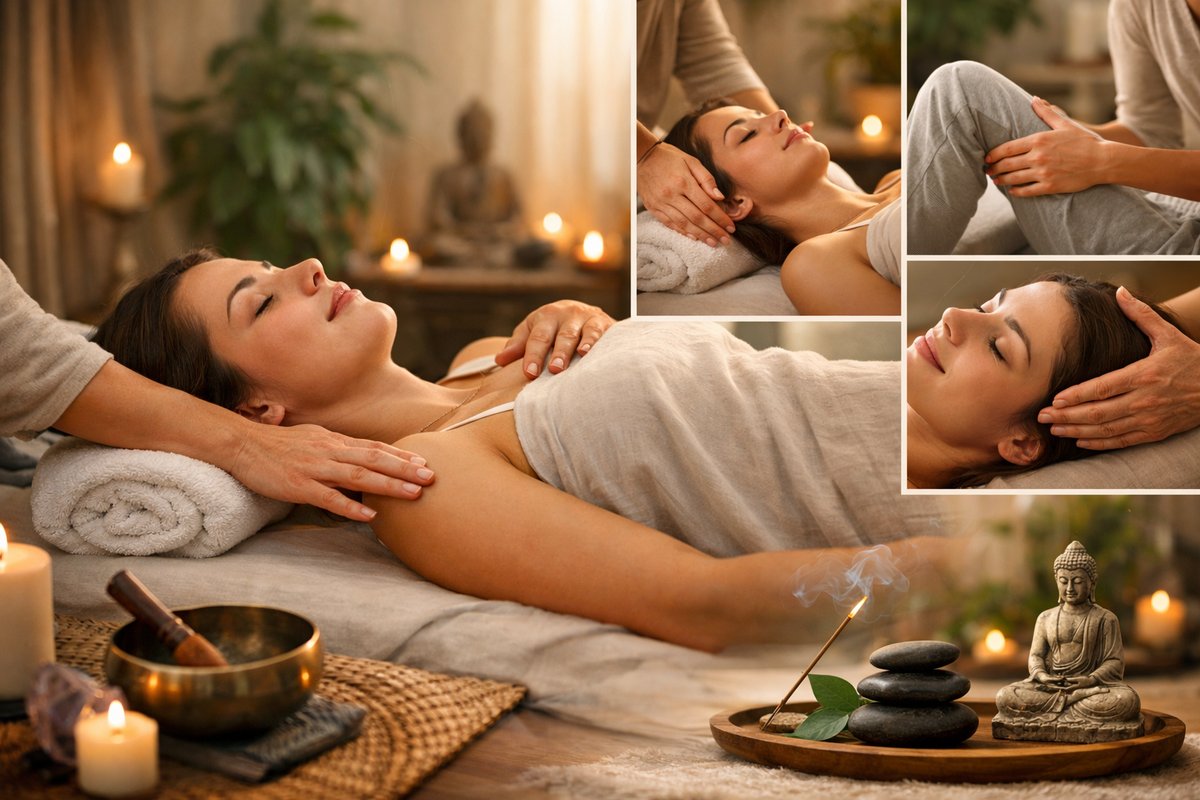

In our busy lives, it’s easy to feel disconnected from our bodies and overwhelmed by stress. Wholistic massage offers a nurturing pause-a chance to tune in to the subtle language of touch, breath, and movement. By addressing physical tension and emotional stress simultaneously, integrative wholistic massage supports a deeper sense of harmony in daily life. Whether you visit a trained practitioner or explore gentle self-massage at home, these practices invite you to experience calm, grounded presence in every moment.
What Makes Wholistic Massage Different
Unlike conventional massage that focuses solely on muscle manipulation, wholistic massage takes a broader view. It honors the relationship between body, mind, and lifestyle. Sessions often begin with mindful breathing and gentle conversation-exploring how daily routines, posture, and emotional states influence physical comfort. A practitioner may incorporate slow, flowing strokes, light acupressure, and guided body awareness to encourage relaxation. Evidence shows that this mind-body approach can lower cortisol levels, reduce muscle tension, and promote a balanced nervous system response.
The Mind-Body Connection in Touch
When we receive thoughtful touch, our brains release oxytocin and endorphins-neurochemicals linked to feelings of safety and well-being. At the same time, mindful breathing helps regulate the autonomic nervous system, shifting us out of “fight-or-flight” mode and into deeper rest. Research in massage therapy highlights improved sleep quality, reduced anxiety, and heightened body awareness as key benefits of integrative touch. By intentionally pairing each movement with slow inhalations and exhalations, you invite your body to soften, your mind to settle, and your heart to feel held.
Practical Techniques You Can Try at Home
Even a few minutes of self-massage can ease tension and cultivate presence. Start with your hands and forearms: use the thumb of one hand to make gentle circular strokes along the opposite wrist crease, then glide slowly up the forearm toward the elbow. Breathe evenly, noticing any areas of tightness. Move next to the shoulders: lean against a soft ball or rolled towel placed between your shoulder blade and the wall. Press into the tension spots while maintaining steady, gentle breaths. Finish with a self-neck release-cup the base of your skull with your fingertips, applying light pressure and rocking your head side to side in tune with your inhale and exhale.
Creating a Calming Environment
Setting the scene for wholistic massage at home is as important as the techniques themselves. Choose a quiet corner where you can stretch out comfortably. Dim the lights or draw soft curtains to reduce glare. A gentle essential-oil diffuser can fill the air with lavender or chamomile notes known for their calming properties. Lay down a non-slip mat or thick towel to support your body and prevent drafts. Play ambient sounds-soft instrumental music or nature recordings-to guide your breath and help you sink into relaxation. As you move through each self-massage step, let the environment cradle your senses.
Continuing Your Path to Harmony
Wholistic massage isn’t just an occasional treat-it’s an invitation to live more mindfully. Pay attention to posture during the day: take short breaks to roll your shoulders, stretch your chest, and breathe deeply. Notice how your body responds after a few self-massage sessions-perhaps your jaw feels less clenched or your back less rigid. Cultivating these small rituals builds resilience and deepens your connection to daily life. Over time, you may find that thoughtful touch and breathwork become your go-to tools for navigating stress and sustaining balance.
Embrace these gentle pathways to support your overall well-being. By weaving mindful touch, breath, and environment into your routine, you create a sanctuary of calm that travels with you throughout the day. Your body and mind will thank you for the care and attention that wholistic massage provides.