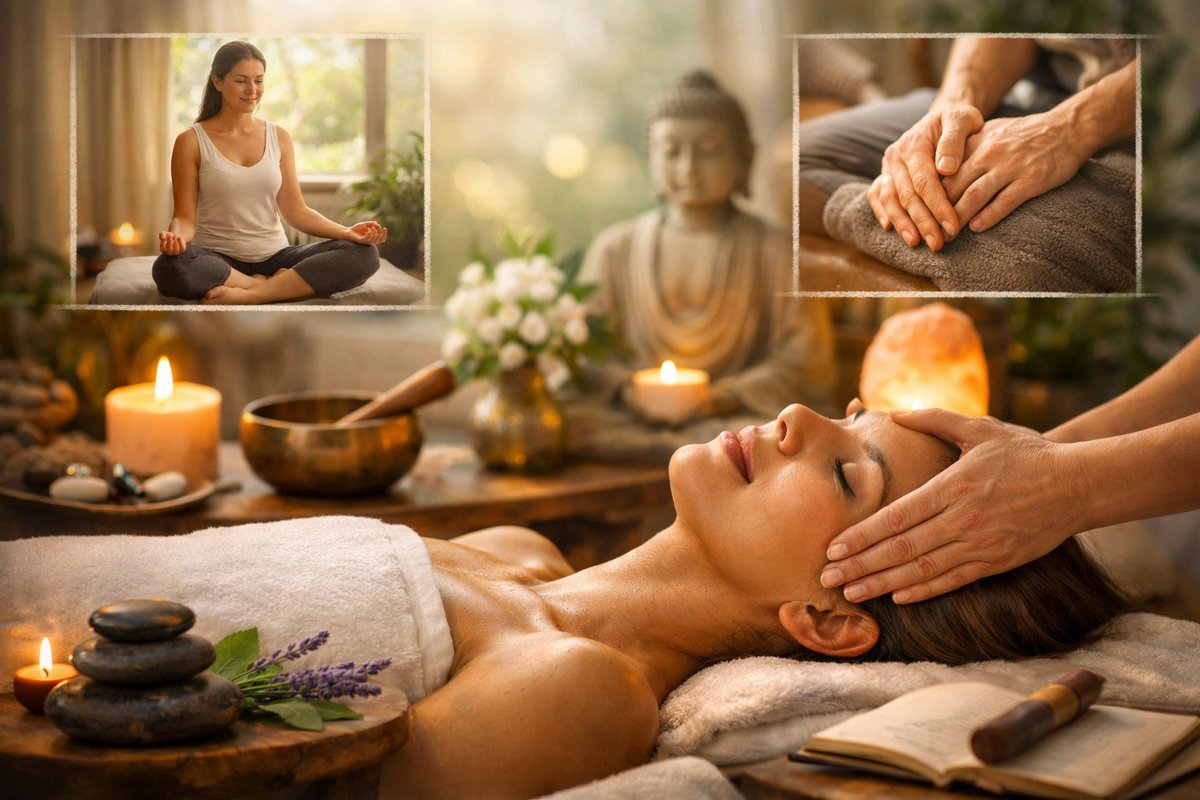

Why Wholistic Massage Matters
Wholistic massage takes a bird’s-eye view of wellbeing, weaving together the physical release of touch with emotional grounding and daily routines. Instead of focusing on one isolated muscle or symptom, this approach considers how posture at your desk, the quality of your breath, and even your evening habits can shape the way your body holds stress. By addressing the whole person, wholistic massage fosters a sense of ease that ripples into sleep, mood, and movement.
Imagine settling into a quiet corner of your home, soft music playing, as you bring attention to places where tension gathers-perhaps the base of your skull after a screen-filled afternoon, or the knotted muscles along your shoulders. Wholistic massage isn’t about chasing away a single ache; it’s about noticing patterns of physical and emotional tension and inviting a deeper dialogue between your hands, breath, and the tissues beneath your fingers.
Connecting Breath and Body
A cornerstone of wholistic work is mindful breathing. When you guide your attention to a slow, rhythmic inhale and exhale, you signal to the nervous system that it can relax. Before applying gentle pressure or flowing into a stretch, pause for three rounds of breath: inhale softly through the nose, fill your belly and ribs, then exhale fully through slightly parted lips. This mini pause shifts you from a state of alertness to one of receptivity.
As you massage, continue to weave breath into each movement. For example, on your next shoulder roll, inhale as you lift and broaden, then exhale to soften down and release. This simple bridge between mind and body enhances circulation, encourages lymphatic flow, and invites muscles to unwind more fully than they might under uninformed effort alone.
Gentle Techniques for Home Practice
Wholistic massage at home doesn’t require a professional table. A soft cushion or folded blanket can stand in for a bolstered surface. Here are three safe, easy techniques you can practice daily:
• Palm-Palm Pressure: Rest your palms on opposite shoulders, fingers reaching toward the spine. Breathe in to invite length, then exhale to gently press your palms into the muscle belly. Hold for 5-8 breaths before switching position.
• Forearm Glide Along the Back: Place your forearm alongside your spine, with the other hand resting on top. Apply gentle, even pressure as you glide up from the lower ribs to the base of the neck. Repeat slowly three to five times on each side, synchronizing with a calm breath.
• Circular Thumb Release: Using your thumbs, make small circles around the base of your skull or the center of your back. Keep your thumbs close together and move only the flesh above the muscle, avoiding direct pressure onto bone. This invites the tissue to soften rather than tensing against a hard point.
Each technique can be performed in five minutes or less, making it easy to slip into early morning or evening routines. The goal isn’t to “fix” every knot, but to maintain gentle, consistent attention that prevents tension from hardening over time.
Evidence-Informed Benefits of Wholistic Touch
Research on integrative massage practice highlights improvements in stress markers, mood regulation, and overall comfort. A study published in a leading massage-therapy journal found that participants who engaged in weekly hand-on sessions combined with guided breathing reported lower levels of the stress hormone cortisol compared to those who received isolated muscle work. Another body of evidence points to improved sleep quality, reduced anxiety scores, and a greater sense of bodily awareness when touch is paired with mindful presence.
Although individual responses vary, many people notice:
• Enhanced circulation and warmth in previously stiff areas
• A calmer heart rate and steadier breathing patterns
• A more compassionate connection to areas of chronic tension
These outcomes emerge not from high-pressure manipulation, but from thoughtful, sustained touch that honors the body’s natural rhythms.
Incorporating Daily Rituals
The power of wholistic massage lies in its continuity. Here are three ways to integrate mindful touch into your daily life:
• Morning Grounding Sequence: Before stepping into your day, spend two minutes on gentle neck and shoulder slides while seated at the edge of your bed. Let your fingertips trace along the muscles as you take three deep breaths.
• Midday Pause: Set a reminder to pause 30 minutes after lunch. Stand up, roll your shoulders back, then pull your hands over your chest in a gentle cross-body hug. Hold for six breaths to break up long periods of hunching or static posture.
• Evening Wind-Down: Tuck into bed with a lightweight oil or lotion. Begin at your hands and feet, tracing each finger and toe with slow, deliberate strokes. Gradually bring your attention inward, finishing with a few soft sweeps along the spine while lying face down.
Small habits like these can anchor your nervous system in a calmer state, even on busy days.
Embracing Mindful Self-Care
Wholistic massage extends beyond technique-it’s an invitation to listen. Notice how your skin feels under your fingertips, whether tissues welcome touch or resist it, and how your breath ebbs and flows through each movement. Allow yourself to offer kindness rather than critique; rather than seeking a “perfect” stroke, focus on compassionate attention.
By weaving these practices into daily life, you cultivate a gentle dialogue with your body. Over time, you begin to recognize subtle shifts-perhaps lighter shoulders, a more open chest, or a softer brow. This ongoing awareness helps you respond earlier to tension, preventing it from accumulating into deeper discomfort.
In the end, wholistic massage is less about achieving a final destination and more about savoring each breath and each touch as an opportunity to invite balance. As you continue this journey, you may discover a quieter mind, a more supple body, and a renewed sense of harmony in the rhythms of everyday life.
May these insights support you in creating a sanctuary of self-care, one thoughtful touch at a time.