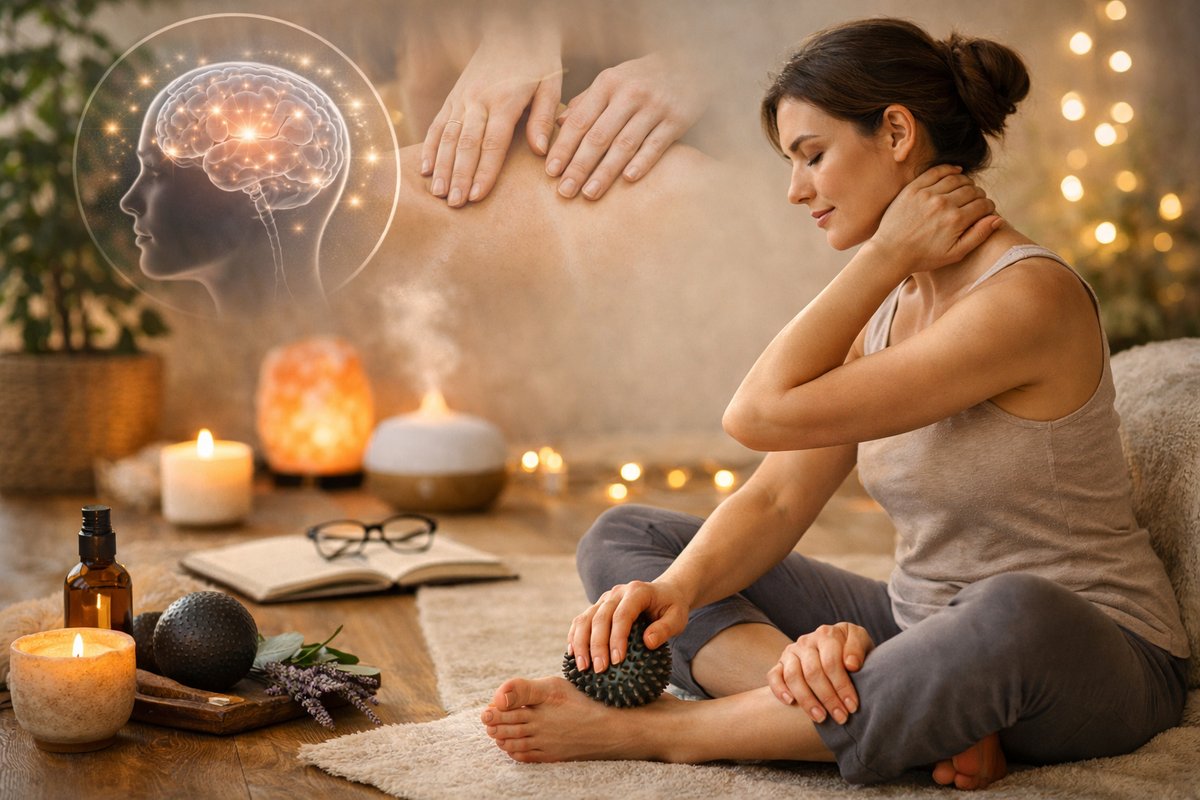

Stress can feel like an invisible backpack, weighing down your shoulders whether you’re at work, at home or out with friends. Over time, chronic tension affects sleep, mood and overall health. Massage therapy provides an accessible way to soften that load, inviting your muscles to relax and your mind to quiet. This article explains why massage reduces stress, offers safe self-care techniques you can practice today and highlights evidence that supports the power of touch.
Why Stress Builds in the Body
When you sense a threat-whether it’s an upcoming deadline or a difficult conversation-your body triggers a cascade of stress hormones. Your heart rate rises, breathing shifts to the chest and muscles tighten in preparation for action. This “fight-or-flight” response can be lifesaving in emergencies, but when it stays on high alert day after day, your muscles remain contracted, blood flow slows and tension accumulates in key areas like the neck, shoulders and lower back.
Without intentional release, those tight spots develop trigger points or “knots,” which can amplify discomfort, restrict movement and keep stress signals alive. Even focused breathing or short walks may not fully dissolve these muscular held patterns. That’s where massage enters: by applying sustained pressure and gentle strokes, touch therapy helps interrupt the stress cycle, encouraging your body to switch from arousal to restoration.
The Science Behind Massage and Stress Reduction
Numerous studies point to measurable shifts when massage is applied. Researchers have found that 15-30 minutes of moderate pressure massage can lower cortisol, the primary stress hormone, by up to 30 percent in the following hour. At the same time, beneficial neurotransmitters like serotonin and dopamine rise, fostering a sense of calm and well-being.
From a physiological standpoint, massage improves circulation by manually moving blood and lymph fluid through tissues. Increased blood flow delivers oxygen and nutrients more efficiently, supporting muscle health and flushing metabolic by-products. On a nervous system level, pressure activates receptors in the skin and fascia that signal safety to the brain, dampening the sympathetic (fight-or-flight) branch and engaging the parasympathetic (rest-and-digest) branch. The result is slower breathing, reduced heart rate and deeper relaxation.
Bringing the Calm Home: Practical Techniques
While professional sessions offer expert hands, you can reinforce relief at home with simple tools and targeted self-massage moves. Start by creating a peaceful corner: dim the lights, play soft instrumental music and position a bolster or firm cushion against a wall.
Use your fingertips or a massage ball to work along the sides of your neck. Press gently in small circles, moving from the base of the skull down to the top of the shoulders. Spend 30 seconds on each spot, breathing deeply.
For the upper back, lean against a wall with a tennis or massage ball placed between your shoulder blade and the wall. Shift your weight slowly, rolling the ball along tight areas. Pause on tender spots for a count of five to ten breaths before moving on.
To soothe tension in hips and legs, sit on the floor with a foam roller under your calves. Lift your hips and use your hands to gently roll back and forth, moving from ankles to knees. Adjust your body weight to control pressure.
Safety and Comfort in Your Self-Care Routine
Even self-massage carries some precautions. Avoid deep knuckle or tool pressure directly over bones, joints or sensitive areas like the front of the neck. If you have a history of blood clots, varicose veins or fragile skin conditions, check with a qualified massage therapist or your primary care provider before trying new techniques.
Keep these tips in mind:
- Warm up muscles with a heating pad or warm towel for a few minutes before massaging.
- Apply massage oil or lotion to reduce friction on the skin and enhance glide.
- Listen to your body: slight discomfort can be normal, but sharp pain is a sign to ease off.
- Maintain good posture and avoid slumping when performing self-massage, to protect your back and neck.
Listening to Your Body’s Language
Stress relief isn’t just about physical techniques-it’s about tuning into how your muscles communicate. Tightness, twitching or a lingering ache are signals worth acknowledging. After each self-massage session, pause for a moment of stillness. Notice how your breathing deepens or your shoulders drop. Make brief mental notes: which areas feel more open, which still hold tension?
Journaling these observations can help you develop a personalized self-care plan. Over time, you may identify patterns-perhaps your upper back tightens on busy mornings, or your calves feel sore after evening runs. Armed with that insight, you can schedule targeted sessions, integrate gentle stretches or enlist a professional massage therapist when deeper work is needed.
By weaving short massage breaks into your weekly routine, you’re not only easing muscle tension-you’re signaling to your nervous system that rest is allowed. That permission to unwind, day after day, builds resilience, helps you sleep more soundly and supports a brighter mood. In the rhythm of daily life, these mindful pauses become invitations to reconnect with your body’s innate wisdom.
-
Premium High Density Foam Roller for Athletic Recovery ...
The ProsourceFit High-Density Half- Round Foam Rollers are the ideal 2-in-1 tool that helps you tone and stretch with 2 different sides. Ideal for Pilates, yoga ... -
Exercise Foam Roller
A full-body foam roller workout guide with illustrations. Muscle Recovery, Pain Relief, 16 pro exercises. -
3 in 1 Foam Roller Set Trigger Point Foam Roller, Massage ...
3 in 1 Foam Roller Set Trigger Point Foam Roller, Massage Roller Stick, Massage Ball for Deep Muscle Massage Pilates Yoga, Fitness Exercise for Whole Body, Pink.