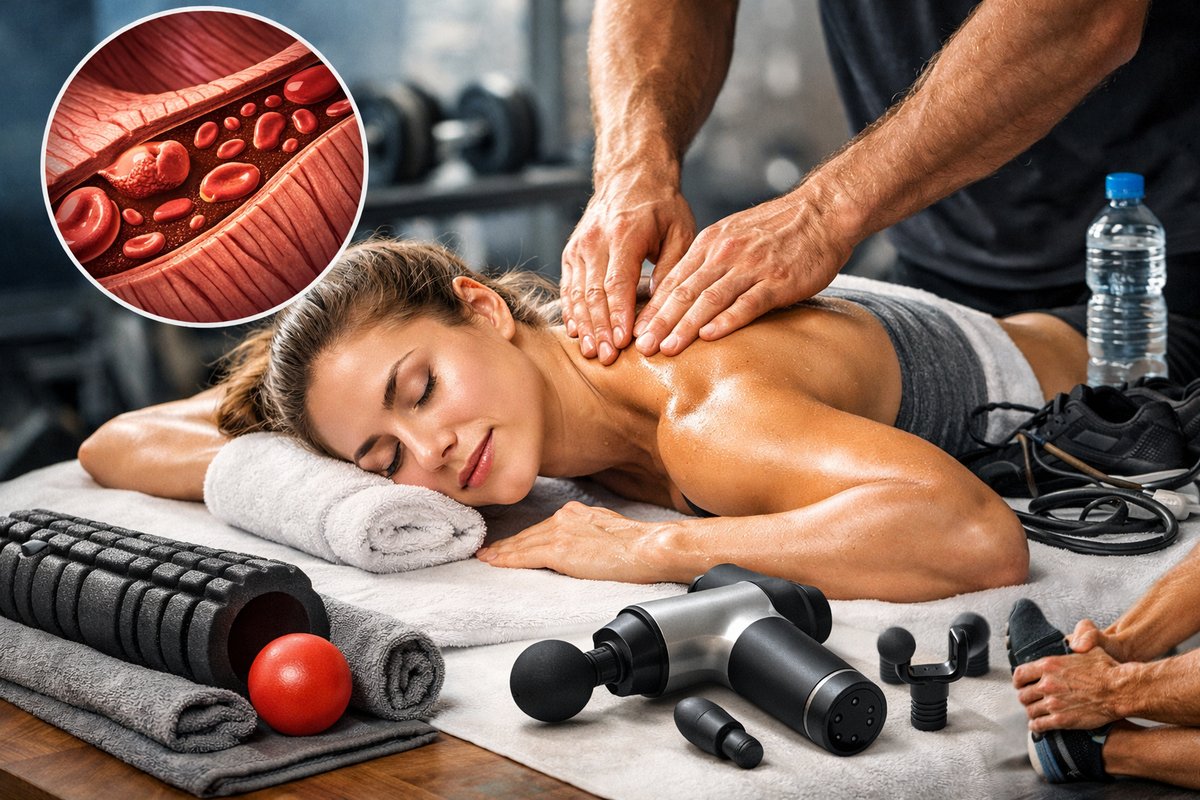

Why Sports Massage Matters for Everyday Wellbeing
Every day, whether you’re a dedicated athlete chasing personal bests or someone who simply wants to stay active without aches and pains, muscle soreness and tension can get in the way of feeling your best. Sports massage offers a hands-on way to release tight tissue, reduce discomfort and restore freedom of movement. By targeting specific areas of tension, it supports circulation, encourages relaxation and sets the stage for better sleep, mood and overall resilience to stress.
Research in sports science journals shows that massage can lower levels of cortisol-the stress hormone-while boosting endorphins, which are natural mood elevators. That means a 30- or 60-minute session not only addresses sore calves and stiff shoulders, it also helps calm an overactive mind and fosters a sense of grounded ease that carries you through the rest of your day.
Understanding the Science Behind Muscle Tension and Release
Muscles tighten when we put them under repetitive strain, hold a posture too long or push our limits on the training field. At the microscopic level, small tears in muscle fibers invite inflammation, which in turn can create knots or “trigger points”-small patches of contracted tissue that feel tender under pressure. When untreated, these areas can cause pain in seemingly unrelated parts of the body and pull surrounding muscles out of balance.
Sports massage uses a combination of deep tissue strokes, gentle stretching and targeted pressure to encourage blood flow and lymphatic drainage. Enhanced circulation delivers vital nutrients and oxygen to damaged fibers while whisking away metabolic byproducts like lactic acid. The result is faster muscle repair, less lingering soreness and a decreased risk of overuse injuries.
Five Practical Techniques You Can Try Today
1. Self-Compression With Your Hands: Find a tender spot in your calf, thigh or shoulder and apply steady, moderate pressure with your fingertips or a knuckle. Hold for 20 to 30 seconds until you feel a gentle release, then slide your fingers across the length of the muscle in a smooth stroke. This technique mimics a therapist’s sustained pressure to ease a stubborn knot.
2. Foam Roller Glide: Position a high-density foam roller under the muscle group you’d like to address-say, along the side of your thigh. Slowly roll back and forth, pausing on areas that feel tight. Keep breathing steadily, and spend at least 1 to 2 minutes on each major region. Foam rolling helps break up adhesions in connective tissue and improves mobility over time.
3. Trigger Point Massage Balls: Use a tennis or lacrosse ball against a wall or on the floor. Lean into the ball at a tight spot in your back or hip, applying enough weight to create comfortable pressure. Hold for 15 to 20 seconds, then gently rock or rotate to find new angles. This simple tool is perfect for hard-to-reach areas.
4. Assisted Stretching: After massage work, engage in gentle static stretches to maintain your newly released range of motion. For hamstrings, sit with one leg extended, hinge at the hip and reach toward your foot without bouncing. Hold for 20 seconds, then switch sides. Stretching when muscles are warm maximizes flexibility gains and prevents re-tightening.
5. Warm Compress or Heating Pad: Applying moderate heat for 10 minutes before your session increases tissue pliability. Afterward, a cool compress or contrast bath-alternating warm and cool water-can soothe any residual inflammation and encourage circulation.
Safety Tips and When to Seek Professional Care
While self-care techniques are powerful, it’s essential to honor your body’s signals. Aim for firm but comfortable pressure-sharp pain or tingling means dial back. Avoid massaging directly over recent injuries, varicose veins or open wounds. If you notice persistent swelling, numbness or intense bruising, reach out to a licensed massage therapist or healthcare professional for personalized guidance. Always let a pro know about any medical conditions or recent surgeries before a session.
Bringing Mindfulness and Sensory Awareness Into Your Routine
A core benefit of sports massage lies not only in physical relief but also in nurturing a deeper connection to your body. As you glide, knead or roll, tune into the tactile sensations: the warmth of your hand, the slight give of tissue, the ebb and flow of tension releasing. Pair your practice with slow, diaphragmatic breaths. Inhaling through the nose, allow your belly to expand; exhaling through the mouth, feel muscles soften. Over time, this mindful awareness strengthens your ability to spot tension early, adjust your posture and choose restorative practices before discomfort escalates.
Many athletes report that a focused 10-minute self-massage ritual after training helps them step off the field with less stiffness and return to sleep more easily. Even if you’re not logging miles or lifting heavy, these moments of attentive touch interrupt the habitual stress patterns that can build up during desk work or daily chores.
Embracing Recovery as Part of Self-Care
In a culture that prizes productivity and “pushing through,” it can feel counterintuitive to slow down and tend to minor aches. Yet fully recovering between workouts or busy days is as crucial as the effort itself. Sports massage teaches us that rest and restoration deserve the same intentional focus we give to peak performance. By caring for our muscles-calming the nervous system, flushing metabolic waste and nurturing flexibility-we build a stronger foundation for everything that follows.
Make massage an integral part of your wellbeing toolkit: schedule professional sessions when you can, and weave simple self-massage habits into your nightly routine. The cumulative effect of these small investments is resilience, reduced risk of injury and a calm, clear mind ready to tackle both workouts and daily life with ease.
Time spent unwinding sore muscles is never wasted. It’s an affirmation that your body’s comfort and health matter as much as your goals. Listen to its feedback. Give it the attentive care it deserves. Your future self-moving smoothly, sleeping soundly and greeting each new day without the drag of chronic tension-will thank you.
Pathways Forward
Recovery is more than a pause between workouts; it’s a creative space for exploration and growth. Try combining massage techniques with mindful movement such as gentle yoga or walking meditation. Track your progress in a simple journal: note areas of persistent tightness, levels of soreness and how you feel before and after each self-massage session. Over weeks, you’ll witness patterns emerge and discover which techniques offer the most relief. Celebrate those small wins. Recovery, after all, is a journey of self-discovery as much as it is about muscle health.
-
CELTOSS Ergonomic Office Chair, Mid Back Computer ...
High-density foam seat wrapped in premium leather office chair upholstery for a firm yet comfortable seating surface. High-end caster wheels glide softly ... -
Premium High Density Foam Roller for Athletic Recovery ...
High-density foam strengthens the massage roller for a stiff surface ideal for stretching, warm-ups, cooldowns, as a back cracker, and for back support; -
High Density EVA Foam Roller: Muscle Pain Relief, Deep ...
High Density EVA Foam Roller: Muscle Pain Relief, Deep Tissue Massage … 36 x 6 Inch is perfect roller for the upper body. great for Hamstring, IT Band, Calves. ... -
High-Density Foam Yoga Block 9"x6"x3" – Non‑Slip Surface with ...
Boosts Alignment & Stability – Helps with safer, deeper poses and improved balance · Lightweight & Durable Foam – Easy to carry and strong enough for daily use ...