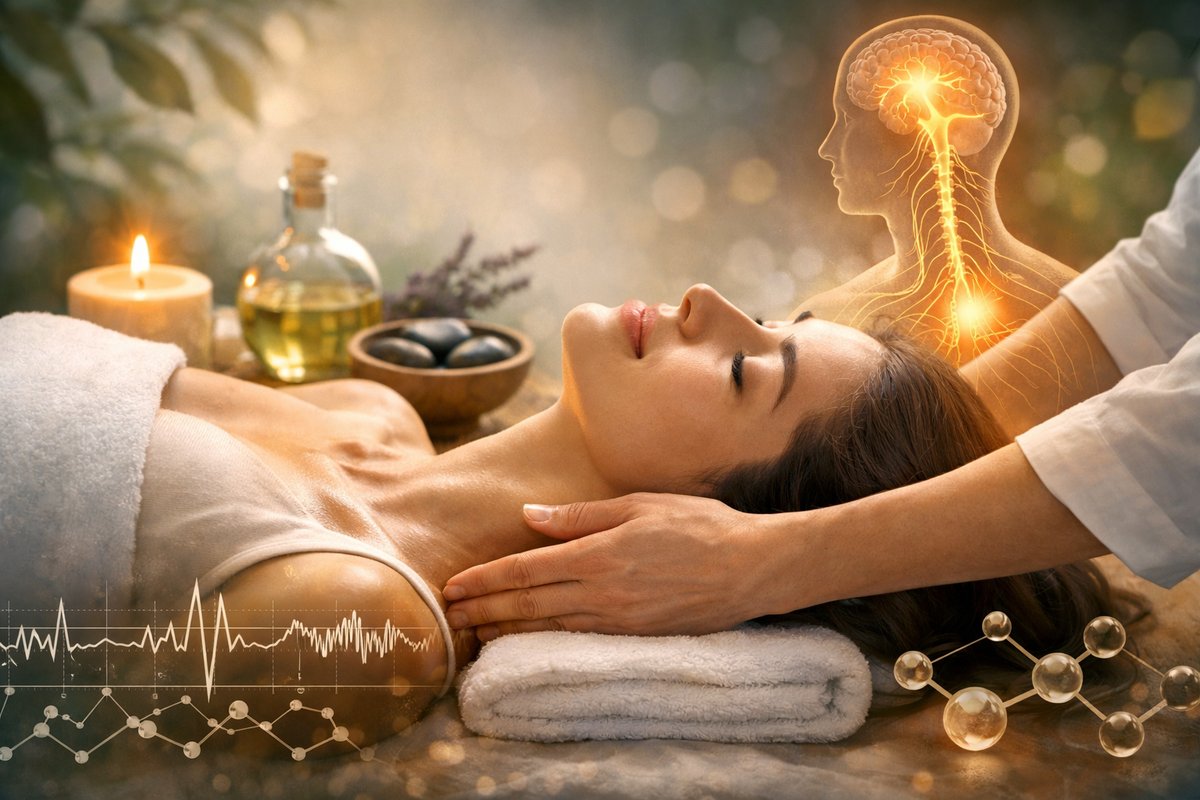

Why Stress Reduction Matters
Every day, the body and mind encounter challenges that spark a fast-tracked alarm system. Traffic jams, work deadlines and sleepless nights all trigger the same internal response: a rush of hormones that prepare muscles for action while powering up the mind to solve problems. In small doses, this reaction can sharpen focus. Over time it shifts into chronic tension, restless sleep and a tendency to feel overwhelmed. Massage therapy steps in as a reliable countermeasure, tuning down the stress response, unwinding tight muscles and inviting a deeper sense of balance.
Understanding the Stress Response
When stress hormones surge, muscles tighten, blood flow diverts from digestion and the heart rate speeds up. Known as the fight-or-flight reaction, this pattern was essential for survival long before modern life introduced round-the-clock deadlines. Today, the same biology can leave neck muscles knotted after hours at a computer or shoulders braced under the weight of worry.
By redirecting attention to the body through safe manual techniques, massage activates the parasympathetic system-our built-in brake on the stress accelerator. As circulation improves, tension softens, breathing slows and the mind can rest. This shift is more than anecdotal: physiological studies show lowered cortisol levels and increased markers of relaxation after even a single session.
Massage Techniques That Soothe Tension
Several classic techniques focus on rhythm, pressure and direction of touch:
- Effleurage uses long, gliding strokes to warm tissues and distribute natural oils. Light pressure at the start of a session signals the nervous system that it’s safe to unwind.
- Petrissage includes kneading, rolling and lifting of muscles to release deeper layers of tension. By compressing and stretching fibres, this method improves circulation and helps break up adhesions.
- Friction targets focal tight spots with small, circular movements. It can be applied around shoulder blades, at the base of the skull or along the low back where stress often accumulates.
- Tapotement involves rhythmic tapping or cupping motions. This stimulating technique can boost local blood flow and promote an alert calm, making it useful toward the end of a session.
Licensed therapists blend these approaches to meet individual needs. Even brief, gentle strokes at home or during short workplace breaks can signal the body to relax.
Evidence from Research
In a study published in a peer-reviewed physiology journal, participants who received 15 minutes of back massage showed measurable drops in heart rate and blood pressure compared to a quiet rest period. Another randomized trial found that regular massage sessions over six weeks reduced self-reported stress scores and improved mood markers.
On the cellular level, massage has been associated with decreased levels of the stress hormone cortisol and increased levels of serotonin and dopamine-neurochemicals linked to feelings of wellbeing. While researchers continue to explore precise mechanisms, the consistent finding is clear: intentional touch creates a ripple of relaxation throughout the body.
Safety and Practical Tips
Massage is generally safe when performed by a trained practitioner or applied gently at home. Keep these guidelines in mind:
- If you have a medical condition or recent injury, check with a healthcare provider before starting massage.
- Avoid deep pressure over inflamed joints, open wounds or skin infections.
- Hydrate before and after sessions to support circulation and toxin clearance.
- Communicate clearly with a therapist about pressure levels and comfort zones.
- Use clean hands, freshly laundered linens and safe, unscented or lightly scented massage oil or lotion.
These simple precautions help you enjoy the benefits of massage without unintended side effects.
Incorporating Massage Into Daily Life
You don’t need an hour-long appointment to tap into the stress-reducing power of touch. Here are practical ways to build moments of calm into a busy schedule:
- Self-Massage for Shoulders: Clasp your hands behind your neck and squeeze gently along the base of the skull. Pause at tender spots and hold for 20 seconds.
- Hand and Wrist Relief: Use your opposite thumb to press and circle along the fleshy part of the palm and the base of each finger. This can ease tension for those who type or write for long stretches.
- Foam Roller Release: Place a foam roller beneath your upper back, cross your arms over the chest and roll up and down slowly. Adjust your body weight to control pressure.
- Neck Stretch with Breath: Gently tilt your head to one side, bringing the ear toward the shoulder. At the same time, breathe deeply and imagine space widening between vertebrae.
Even five minutes of focused attention on muscle groups can lower stress hormones and refresh mental clarity.
A Sensory-Aware Guide to Relaxation
Massage reaches beyond muscles. It invites the senses into a nurturing environment. Consider these elements:
- Warmth: Preheat towels or use a gentle heat therapy pad to welcome soft tissues.
- Texture: Choose a smooth massage lotion or oil that feels comforting to the skin. Test a small patch first.
- Soundscape: Play soft instrumental music or nature sounds to encourage deeper breathing.
- Lighting: Dim overhead lights or use a low lamp to reduce glare and help the mind settle.
Creating a sensory-rich setting can magnify the benefits of each touch, guiding the body more quickly toward a relaxed state.
A Final Nudge Toward Self-Care
Stress is part of life, but it doesn’t have to dominate your days or restlessness your nights. By weaving massage techniques into your routine-whether through professional sessions or mindful self-touch-you support healthy circulation, ease chronic tension and invite a calmer mind. Each stroke becomes an act of kindness to your body, an opportunity to pause, breathe and return to a state of grounded wellbeing. Remember that small steps can lead to lasting relief, and that nurturing touch is one of the most accessible pathways to balanced stress levels.
-
Hyperice Hypersphere Vibrating Therapy Ball
Percussion Handheld Massager. Handheld Percussion Massager, 4 Heads, Type-C Rechargeable, Quiet, 3200 RPM, Shockproof Design 1814.1 out of 5 Stars. -
Clanor Massage Gun, Deep Tissue Muscle ...
Clanor Massage Gun, Deep Tissue Muscle Massager, Percussion Gun for Pain Relief...WHAT … with power cord, spare battery, and six interchangeable massage heads -
Percussion Massager
Discover unique percussion instruments and vintage massagers. Explore handcrafted shakers, frog guiros, and antique massage devices for wellness and rhythm. -
subay Professional 24-head Deep Tissue Massage Gun
Wireless Handheld Body Massager For Neck, Back, Shoulders & Feet, features 24 interchangeable heads and adjustable speed settings to deliver up to 30mm deep ... -
CELTOSS Ergonomic Office Chair, Mid Back Computer ...
High-density foam seat wrapped ・ foam seat provides a firm, cushioned base. Rated at 300 lbs capacity ・ caster wheels roll smoothly and quietly on carpet and ...