
Summer Game Fest opened with a surge of momentum, showcasing more than 40 upcoming titles across PC, console, and cloud platforms. Among the biggest reveals was Final Fantasy VII Rebirth, teased with a cinematic trailer that spotlighted an expanded open world and new combat mechanics. Early reactions on social channels and community forums have been overwhelmingly positive, with analysts estimating preorders for the digital download version topping 800,000 within the first day. At the same event, indie darling Alan Wake 2 was celebrated for pushing narrative boundaries in survival horror. Together these headliners framed a year defined by both established franchises and bold creative risks.
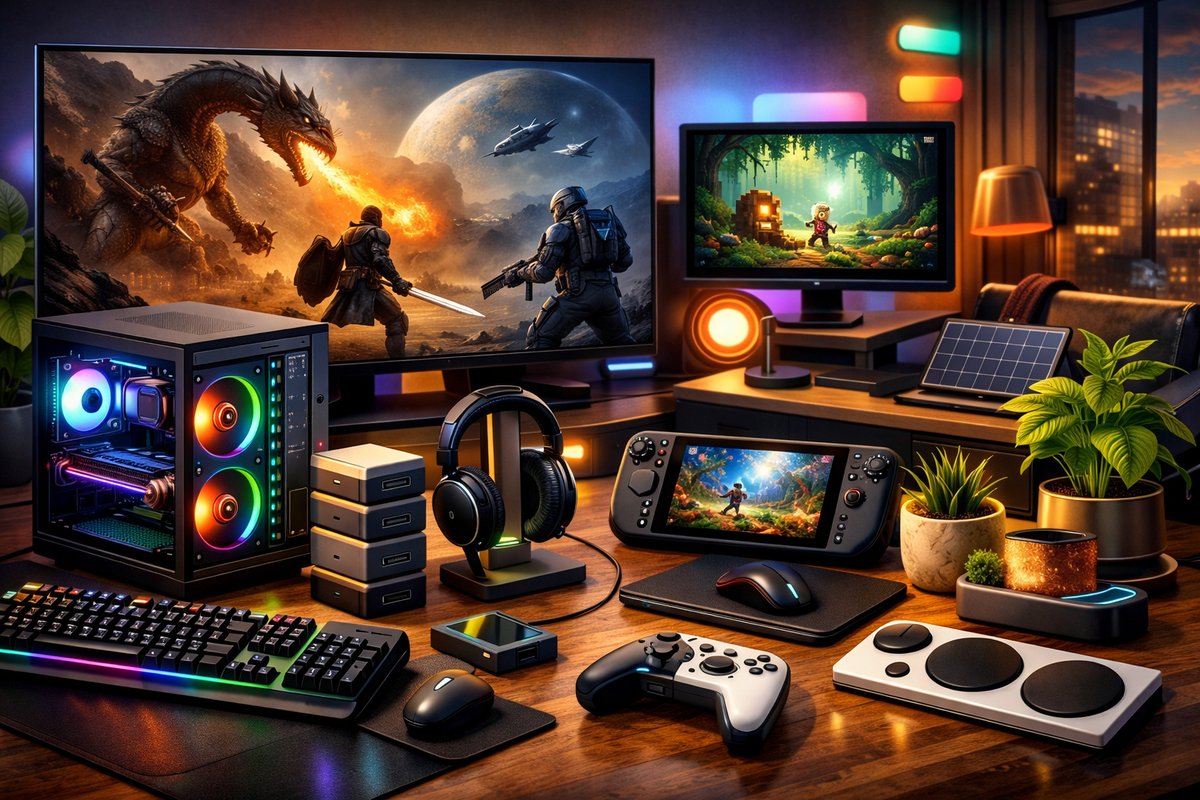
Meanwhile, hardware manufacturers have leaned into modular, energy-efficient designs to meet growing demand. Next-gen graphics cards with dynamic power scaling promise up to 30 percent lower energy draw under light workloads. Coupled with new power supplies rated up to 80 Plus Titanium, builders can assemble rigs that pack high performance without a massive carbon footprint. Sales of small-form-factor PC cases also surged by 25 percent in the first quarter, suggesting more players are opting for compact desktops that deliver desktop-class horsepower in streamlined footprints. Custom water-cooling loops and user-swappable panels have added a layer of personalization, letting gamers tailor aesthetics alongside thermals.
On the indie front, digital storefronts have continued to champion smaller studios and passion projects. During this year’s Indie World Showcase, dozens of titles gained fresh spotlight-among them a time-bending strategy game that blends roguelike elements with turn-based combat, and a hand-drawn platformer set in a surreal dreamscape. These under-the-radar success stories highlight a growing trend: passionate creators leveraging accessible development tools to release polished experiences on a fraction of big-budget timelines. Gamers are responding by seeking curated lists of emerging hits, fueling discovery feeds and weekly recommendation streams hosted by community influencers.
Virtual reality remains a frontier for immersive storytelling and interactive training programs. The latest headset iteration boasts a higher-resolution display and near-instant motion passthrough, enhancing mixed-reality demonstrations. Adoption in educational settings has grown, with pilot programs using VR simulations to teach complex subjects-from surgical techniques to architectural design-while younger players use the same devices to explore free-roam adventure modules. Subscription-based content portals now bundle dozens of VR titles for a flat monthly rate, making it simpler for newcomers to dive into virtual worlds without a heavy upfront investment.
The intersection of film and gaming continues to deepen, with studios and developers forging cross-media collaborations. A recent documentary on competitive gaming premiered alongside an interactive companion app that lets viewers replay iconic tournament matches from multiple perspectives. Meanwhile, several major game publishers are partnering with filmmakers to produce animated shorts that expand upon in-game lore-giving fans cinematic entry points before launch. With new movies like a live-action superhero epic debuting in streaming rental catalogs, movie nights are evolving into hybrid experiences that combine viewing with real-time mobile challenges and collectible digital tokens.
Competitive e-sports has also seen record prize pools this season. International tournaments for top titles are unveiling multi-million-dollar jackpots, fueled by sponsorships and ticket sales at packed arenas around the world. These events are now broadcast in 4K HDR with surround sound audio, delivering stadium-style immersion to home viewers. At the grassroots level, community leagues have embraced open-source tournament platforms, allowing local clubs and universities to host live-stream qualifiers that feed into global brackets-all managed through browser-based dashboards.
Sustainability and privacy have emerged as central pillars guiding consumer choices. Energy-usage dashboards built into consoles and PC control software now let players monitor power draw in real time, set eco-friendly performance caps, and track monthly consumption. Cloud gaming services tout server-side efficiency gains and carbon-offset partnerships, though some purists still favor local rigs to keep data and settings fully under personal control. Manufacturers are increasingly transparent about materials sourcing and end-of-life recycling programs, addressing concerns about e-waste in a market that churns through hardware refresh cycles every two to three years.
Ergonomic setups are catching up with hardware advances. Adjustable desks with programmable memory presets let users switch seamlessly between seated and standing positions, while chairs with dynamic lumbar support mold to individual spines. Monitor arms and swivel mounts ease the transition from work to leisure, positioning screens at optimal eye level for extended sessions. Cable management solutions have gone mainstream, incorporating magnetic clips and modular raceways to keep power and data lines hidden yet accessible. These features combine to minimize physical strain during marathon development sprints or late-night raid runs.
Do-it-yourself modding communities remain energized by easy access to tutorials and open-source lighting profiles. Addressable RGB strips now sync with on-screen events via free software plugins, bathing rooms in pulsing colors tied to in-game health meters or ambient sound frequencies. 3D-printed accessories-custom controller grips, vertical GPU mounts, and headphone stands-offer quick weekend build projects that personalize each setup while promoting upcycling of surplus materials. Even simple changes, like swapping out stock keycaps for high-profile doubleshot sets, can elevate both the look and feel of a keyboard without major overhaul.
Accessibility has taken center stage in both development and community engagement. Major studios have adopted guidelines for color-blind palettes, custom input mapping, and variable subtitle sizes, making titles more welcoming to diverse audiences. Player-driven feedback programs bring in testers with mobility differences and sensory sensitivities to refine features pre-launch-creating more inclusive design standards across the board. Localization efforts now support more than 20 languages at day-one release, allowing storytellers to connect with global fans from the outset and fostering vibrant international communities.
As the industry moves forward, the intersection of hardware evolution, creative freedom, and player empowerment defines the next wave of gaming and entertainment. From blockbusters that push graphical fidelity to bedroom developers crafting heartfelt narratives, the ecosystem thrives on diversity and innovation. With sustainability, privacy, and accessibility growing in importance, both creators and consumers are building experiences-and setups-that reflect personal values as much as technical prowess. This year’s slate of reveals, releases, and gear upgrades underscores a simple truth: in modern play, customization and care go hand in hand, shaping worlds both virtual and real.
-
Final Fantasy XIV 1.0 Online Collector's Edition w/ Box & ...
Item code no longer available. Message $89.99. Includes Box Game and case Notebook Authenticator. The digital game has been used. -
Final Fantasy VII Rebirth PS5 Custom Cover Art (digital ...
Available as an instant digital download, This is a digital file only; no physical product will be shipped. -
Advanced Graphics Titanosaurus (Jurassic World 4 Rebirth)
This is a cardboard cutout of a T-Rex from new movie Jurassic World Rebirth from Universal. Easy to set up, it features a single-sided, high-quality print on ... -
Need for Speed Unbound for PlayStation 5 [New Video ...
Starting from $29.99. Alan Wake 2 Deluxe Edition, PlayStation 5 Add $3985 current price $39.85, Was $59.00