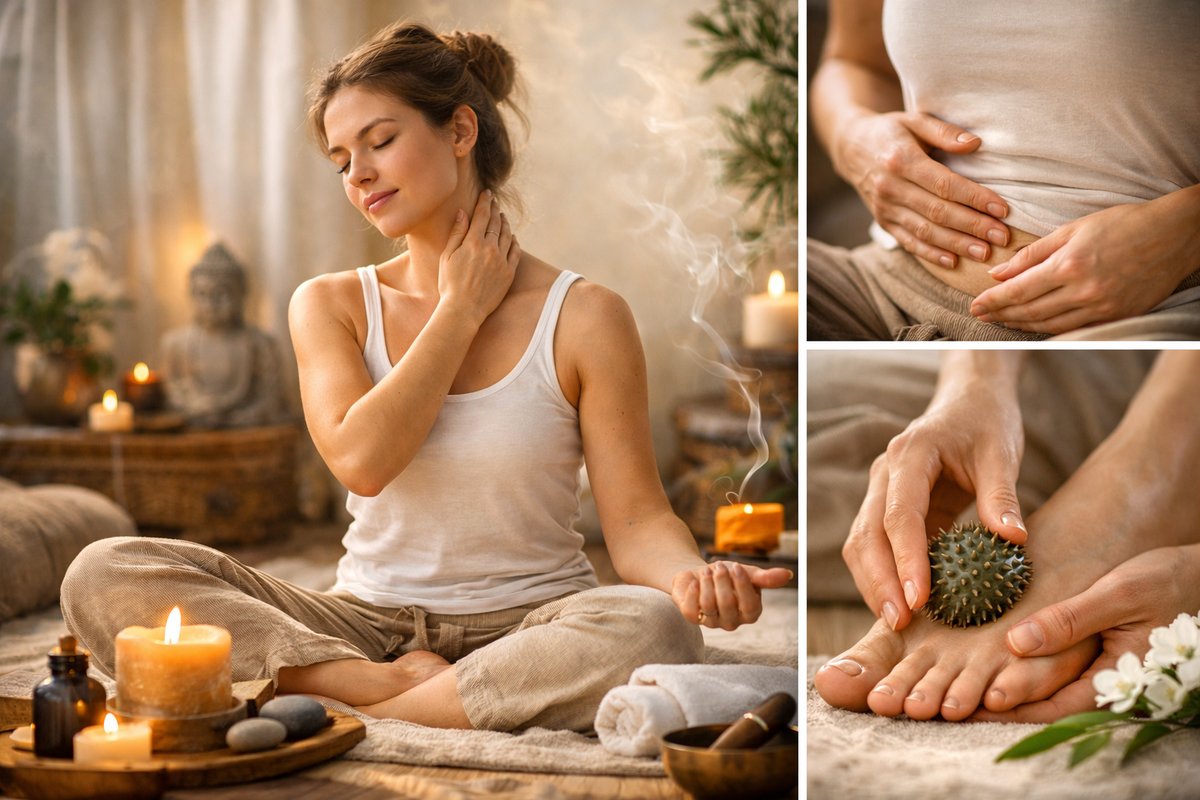

Every day we carry small stresses in our shoulders, jaw, and even in the breath that rises and falls through our chest. Wholistic massage honors the way those tensions ripple through body and mind, guiding us to pause, soften, and return to balance. By blending thoughtful touch with breath awareness and subtle movement, wholistic massage becomes more than a technique-it’s an at-home ritual that supports relaxation, emotional ease, and a sense of grounded presence.
Why Whole-Person Touch Matters
Tension rarely stays confined to a single muscle or joint. When you feel a tight knot in your neck, the shoulders strain, the jaw clenches, and even your breathing can become shallow. Wholistic massage invites you to consider how physical patterns connect with thoughts, emotions, and daily habits. It begins with curiosity: a gentle scan of your body, noticing where you may be holding stress. That moment of awareness alone can soften underlying tension and engage your natural relaxation response.
At its core, wholistic practice values kindness toward yourself. When you move a thumb along a tense spot or trace circles at the base of the skull, you’re speaking a nonverbal language of care. Over time, these simple acts shift your nervous system toward rest and repair. Small daily rituals-just a few minutes of mindful touch-can add up, helping you carry less tension from morning’s first stretch through the evening’s final sigh.
Mindful Breathing and Gentle Contact
A steady, mindful breath acts like a tether, bringing your attention back to the here and now. Begin by settling into a comfortable seat or lying on a cushioned surface. Place one hand on your chest and the other on your belly. Inhale for a count of four, feeling the lower hand rise first, then the upper hand. Exhale gently for six counts, noticing how your belly falls and the chest softens.
With each exhale, allow your shoulders to melt away from your ears. As you maintain this breathing pattern, introduce soft contact: use your fingertips to circle around your temples or cradle the base of your skull. The gentle pressure combined with conscious breath calms the fight-or-flight response and invites a wave of ease. If your mind wanders, simply guide your focus back to the rhythm of inhale and exhale, pairing breath with an intention of letting go.
Self-Massage and Movement Techniques
Wholistic self-massage relies on slow, deliberate gestures rather than deep, intense pressure. Start at the base of your skull, using your thumbs to make small, slow circles along the muscle attachments. Gradually move outward toward the tops of your shoulders, adjusting pressure to what feels nourishing rather than painful. If you feel a tender spot, pause and breathe into it for a few moments rather than forcing deeper work.
For broader areas like the upper back and thighs, a medium-density foam roller can gently ease tension. Lie on your back with the roller under your shoulder blades and lengthen through the spine as you roll slowly up and down. Always support your head with your hands and keep your core engaged to protect the lower back.
A set of small massage balls can access hard-to-reach areas: place a ball between your shoulder blade and the wall, then lean in and twist gently side to side. Inch the ball to new spots-this mild trigger-point method helps disperse knots and encourages circulation. Finish with a few slow neck stretches, tilting your head side to side or gently tucking the chin toward the chest.
Setting Up a Calming At-Home Ritual
Creating a soothing environment amplifies the effects of wholistic massage. Choose a quiet corner of your home and gather a few simple items: a soft yoga mat or a cushioned blanket, an aromatic diffuser, and a bottle of unscented carrier oil. Dim the lights or light a candle, and play soft instrumental music or nature sounds.
Keep your chosen tools within reach so that the ritual feels inviting rather than complicated. A warm towel draped over your shoulders can deepen the sense of comfort. If you enjoy aromatic notes, add a few drops of lavender or chamomile essential oil to the diffuser-but always test one or two drops in a larger volume of water to avoid overwhelming the senses.
Give yourself permission to carve out just ten minutes each day. Begin with a seated breath awareness, move into self-massage, and end by lying quietly for a few moments, noticing any subtle changes in your body’s weight or temperature. Over time, this practice becomes a moment of respite rather than an added task.
Evidence-Informed Benefits of Wholistic Massage
Research on manual therapy shows that even gentle touch can reduce levels of cortisol, the body’s primary stress hormone, while increasing production of serotonin and dopamine, which support relaxation and positive mood. Studies in integrative healthcare emphasize that combining breathwork with light massage enhances autonomic balance, shifting the nervous system away from chronic alertness toward a state of rest and digest.
Although individual responses vary, many people report reduced muscle soreness, easier breathing, and improved sleep quality after just a few sessions of wholistic self-massage. When practiced regularly, these techniques may also improve posture, enhance body awareness, and foster a kinder relationship with your own sensations. The key is consistency and a curiosity-driven approach rather than a quest for perfection.
A Gentle Invitation to Self-Care
Wholistic massage is not a one-time cure but a lifelong companion for easing tension and nurturing wellbeing. By weaving small rituals of touch, breath, and mindful movement into your routine, you cultivate moments of calm amid daily demands. Remember that each time you cradle a tension spot, roll along a tight muscle, or simply breathe with intention, you’re reinforcing a habit of self-compassion and resilience.
Invite these practices into your day with kindness and patience. Celebrate the gentle shifts-a softer jaw, a smoother inhale, a lighter step-as signposts on your path to whole-person harmony. Over time, the ripples of these mindful pauses extend beyond the massage itself, guiding you toward a balanced and grounded life.
-
11-Piece Foam Paint Roller Kit, 4-Inch Roller with Ergonomic ... - eBay
Special Features Magnetic paint tray holder, high-density foam roller covers, easy paint recycling design. Style Magnetic Paint Tray with Non-Slip Base and ... -
The Doc N Roll is the World's First Standing Foam Roller! A ... - Etsy
It comes with a full body self-care program to accelerate recovery, prevent injury, and allow the body to move more efficiently. ... This unique design makes it ... -
3 in 1 Foam Roller Set Trigger Point Foam Roller, Massage Roller ...
You'll love the COFVIAL 3 in 1 Foam Roller Set Trigger Point Foam Roller, Massage Roller Stick, Massage Ball for Deep Muscle Massage Pilates Yoga, ... -
Hyperice Hypersphere Vibrating Therapy Ball - Walmart.com
GoFit Polar Ice Cold Therapy Massage Roller Ball for Muscle Recovery ... 16-Head Massage Gun Set, Deep Tissue Percussion Massager, Electric Massage Tools with.