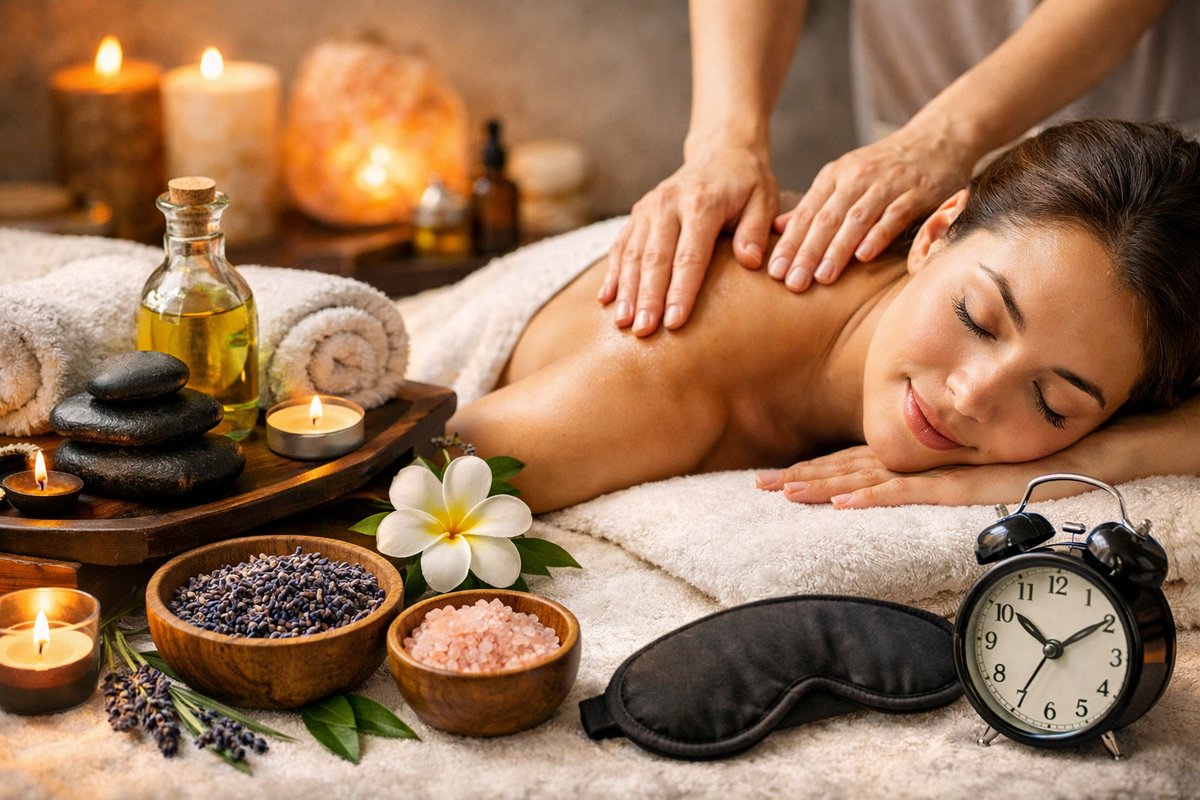

Why Reducing Stress Matters for Well-Being
Life’s demands-work deadlines, family responsibilities, social obligations-can build up tension day after day. When our bodies stay in a state of heightened alert, it takes a toll on sleep quality, mood and overall health. Massage therapy offers a hands-on approach to interrupt the stress cycle. By engaging the body’s natural relaxation response, massage can help ease muscle tightness, lower stress hormones and promote a deeper sense of calm. Whether you visit a professional or try simple self-massage techniques, this rooted practice can become a cornerstone of daily well-being.
Understanding the Stress Response
When we perceive a threat-real or imagined-our nervous system shifts into “fight or flight.” The adrenal glands release cortisol and adrenaline, speeding up the heart rate and preparing muscles for action. In small doses this reaction can be helpful. But chronic activation keeps the body on edge, leading to headaches, poor sleep and persistent muscle tension, especially in the neck and shoulders. Over time, high cortisol levels can affect digestion, immune function and even learning and memory. By consciously triggering the relaxation response, massage therapy helps restore balance to the nervous system.
How Touch Calms the Nervous System
Neuroscientists point to pressure receptors in the skin that, when gently stimulated, send calming signals to the brain. These signals help shift us out of sympathetic arousal (fight or flight) and toward parasympathetic activation (rest and digest). Research finds that regularly applied massage can lower cortisol levels and boost oxytocin, a hormone linked to social bonding and stress reduction. Blood pressure and heart rate often decrease during and after a session. At a sensory level, the feeling of hands gliding across warm, lubricated skin can ease physical knots and quiet mental chatter, creating space for deeper relaxation.
Techniques to Ease Muscle Tension
Simple strokes and gentle kneading can be surprisingly effective if done with intention. For the neck and shoulders, use thumbs or fingertips to apply steady, moderate pressure along the base of the skull and down the trapezius muscles. On the back, long, gliding strokes toward the heart encourage circulation and lymphatic flow. If you’re massaging at home, start with a small amount of oil to reduce friction and let your hands move smoothly. Always check with a qualified practitioner or physical therapist before working on areas of acute injury.
Preparing for Your Massage Session
Whether you head to a professional studio or set up a quiet corner at home, a calm environment amplifies results. Dim the lights or draw curtains to soften harsh glare. Play gentle instrumental or nature sounds to hush racing thoughts. Keep the room comfortably warm, as muscles relax more easily when they aren’t chilled. Before you begin, hydrate with a glass of water-it supports tissue mobility and toxin removal. Communicate openly with your therapist about any areas of sensitivity or pressure preferences. If you’re self-massaging, consider using a foam roller, massage ball or handheld massager to target hard-to-reach spots.
Simple Aftercare and Daily Self-Care
Following a massage, plan for at least 10 minutes of quiet movement-slow stretches or a brief walk help distribute warmed blood through the muscles. Continue hydrating to support lymphatic drainage. Notice how your body feels: gentler range of motion, lighter jaw, deeper breathing. Integrating short breathing breaks or micro-breaks at your desk throughout the day can reinforce the calm you’ve created. Even two minutes of mindful self-massage on the forearms, temples or hands can provide ongoing relief when stress surfaces.
Bringing Massage into Your Everyday Routine
Professional sessions once or twice a month can be a wonderful reset, but the real power lies in consistent, small practices. Pair massage with complementary habits like stretching, gentle yoga or mindfulness meditation for a holistic approach. Over time, you’ll cultivate greater bodily awareness-recognizing tension patterns before they harden into knots. This proactive stance makes it easier to step back from stress rather than letting it accumulate.
The Next Step on Your Path to Calm
In a fast-paced world, offering yourself the gift of touch is a radical act of care. Massage therapy draws on scientific understanding of the nervous system while honoring the simple human need for connection and relief. By weaving hands-on techniques into your life-whether through professional treatments, partner massages or at-home tools-you open the door to lasting stress relief and deeper relaxation. Listen to your body, stay curious and enjoy the unfolding journey toward balance.
-
JANICORN Sandalwood & Bergamot Aromatherapy Massage Oil, 1 ...
Grounding Woody-Citrus Aroma A balanced blend where sandalwood's smooth, creamy warmth meets bergamot's bright citrus lift. · Lightweight Botanical Hydration ... -
10ml 40 Fragrances Essential Oils 100% Pure Natural Home ... - eBay
Bergamot is an antiseptic oil and can be used in cleaning products. Chamomile- Has a therapeutic, calming effect on the skin, mind, and body, soothes the ... -
VITALITY - Aromatherapy Massage Oil, a Bright, Energizing Blend of ...
Zesty grapefruit, bergamot, rosemary, and peppermint awaken the mind while soft notes of vanilla provide balance and calm. Jojoba, coconut, and vitamin E oils ... -
Symple Stuff Alfortville Essential Oil Aroma Diffuser Humidifier ...
Mystic Romance Madagascar Vanilla Aroma Oil Blend Plastic ... Essential oils are used for aromatherapy, Ayurveda, steam inhalations, skincare, massage ... -
Athletin Vibrating Massage Ball - Deep Tissue Muscle Pain Relief ...
RAD Neuro Ball – Foot Roller and Textured Massage Ball for Myofascial Release, Plantar Fasciitis, Hands & Feet, Spiky Therapy Tool for Muscle Relief. 404.9 ...