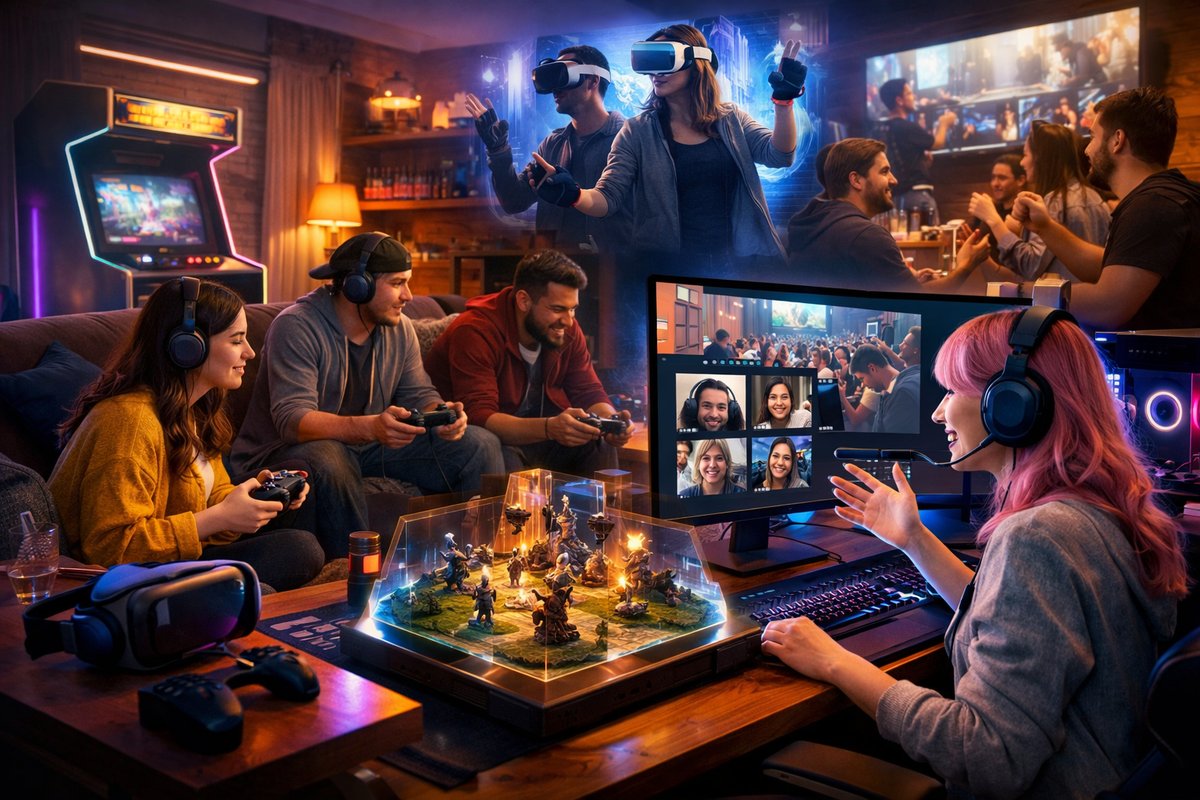

In city lofts and suburban basements alike, gaming culture is shedding its solitary reputation. Weekend gatherings once limited to sprawling comic conventions are now being miniaturized into living-room micro-conventions. Hosts stack up second-hand tables, string ambient lighting, and hook up consoles to portable projectors so friends can cycle through multiplayer matches or team up in co-op quests.
This grassroots movement isn’t about corporate sponsorships or multimillion-dollar displays. It’s fueled by curiosity and a do-it-yourself ethos. Attendees bring their own controllers or keyboards, share playlists of custom chiptune tracks, and swap DIY tips on crafting modular shelving that holds everything from board games to gaming mice. One host described repurposing wood pallet crates as modular cubbies that can snap together in different configurations depending on the event size.
Key to these gatherings is the balance between digital immersion and tactile engagement. Organizers carve out space for a “retrogame corner,” complete with classic tabletop setups-where participants shuffle decks and roll dice-and a modern VR nook rigged for quick-swap headsets. The contrast between cardboard counters and spatial audio headsets creates a dynamic rhythm, keeping energy high without overwhelming novices. Newcomers can dip their toes into analog social play, while veterans race through digital leaderboards.
Online streaming has become the connective tissue that ties these pop-ups together. Using lightweight streaming overlays, small groups broadcast matches or co-host group watch-alongs of serialized game lore videos. Viewers interact via chat, voting on which in-game choices their favorite players should make next. In effect, every micro-convention doubles as a live show, generating highlights that find new audiences long after the final lap or boss fight.
Emotional intelligence is playing a starring role, too. Hosts moderate chatrooms, intervening if banter turns toxic, and invite mental-health advocates to lead short mindfulness breaks between intense matches. Gamers are learning to spot unhealthy behavior patterns-like burnout from marathon sessions-and encourage each other to stretch, hydrate, or try a breathing exercise. These small gestures foster stronger bonds and drive home the idea that play can be sustainable, not exhausting.
While most setups lean on existing furniture, some organizers are experimenting with modular gear that adapts to both analog and digital play. Collapsible floor panels embedded with low-voltage LED strips let hosts change room atmosphere mid-session: warm amber for a fantasy RPG, cool cyan for a sci-fi shooter. DIY instructions circulate in online forums, showing builders how to sync strip-light colors to in-game events through smart-home hubs.
Privacy and personal data remain front and center. Instead of relying on big-name streaming platforms that track viewer metrics, several micro-conventions use self-hosted streaming software. QR codes at each station let guests connect via local Wi-Fi, so organizers can manage who joins the stream and ensure that no unexpected participant can hijack a chat or share sensitive personal info.
Inclusivity is shaping the next wave. Some hosts designate a “sandbox zone,” stocked with accessible controllers, large-print rulebooks for tabletop games, and open-source adaptive hardware. Attendees can swap in custom key-caps, install vocal-recognition software, or use simplified input devices. These low-barrier entry points mean anyone-regardless of mobility, vision, or prior experience-can contribute on equal footing.
Organizers are also mapping out “play trails”: curated journeys that thread together different experiences across multiple living rooms or lofts. Each station has its own theme-puzzle-tracking, speedrunners’ challenge, digital painting jam-and participants follow a physical or digital map. Completing each leg earns them small rewards, like custom enamel pins or virtual badges shared on social channels.
This surge in localized, people-powered play is rubbing off on larger events, too. Major conventions have begun reserving “indie village” spaces to mirror micro-convention atmospheres-bringing back wooden tables, handwritten signage, and community referees who cheer on every new player. Even big expos are dialing down the dazzle in favor of more human-scaled interactions.
Behind the scenes, game-studio executives are taking notes. They’re trialing “soft launches” within these micro-conventions, offering early builds of upcoming titles to small focus groups rather than mass campaigns. Feedback loops become more immediate: developers overhear discussions about game balance, patch up bugs on the spot, and even modify UI elements based on suggestions made over the livestream chat.
Meanwhile, the DIY spirit is entering the hardware market. Third-party creators are releasing open-source schematics for battery-powered, geometric floor tiles that fold flat for storage, as well as clip-on sound-diffuse panels that help isolate game-audio without requiring heavy acoustical foam. At the core of these innovations is a values-driven approach: prioritize modularity, low environmental impact, and emotional well-being.
Looking ahead, experts predict that urban co-living spaces might integrate permanent gaming pods-sound-insulated micro-rooms with docking stations for multiple platforms. These pods could be booked for group sessions and act as pop-up micro-conventions on demand. For now, the real magic is happening in homes and community centers where people are proving that you don’t need a massive budget to stage unforgettable gaming experiences.
In a world where screens often separate us, these gatherings reaffirm the deeply social roots of play. They show that immersive entertainment isn’t solely about cutting-edge graphics or fancy haptics-it’s about shared laughter, agonizing defeat, collective problem-solving, and the thrill of discovering new worlds together. As the boundaries between online and offline continue to blur, one thing is clear: play remains the connective tissue that binds us all.
-
Under Desk Mount for Steelseries Arctis Nova Pro Wireless ... - Etsy
Under Desk Mount for SteelSeries Arctis Nova Pro Wireless Gaming Headset Steel Series. SimRaceMods. Star Seller. Star Sellers have an outstanding track ... -
Wireless Headset - Wayfair
Shop Wayfair for the best Wireless Headset. Enjoy Free Shipping on most stuff, even big stuff. -
Rosewill NEON K75 V2 BR Wired Mechanical Gaming Keyboard ...
AJAZZ AK820 Mechanical Gaming Keyboard with Knob 75% Keyboard Hot Swappable Type-C Wired Gasket 5-Layer Noise Absorbing Foam White LED Backlit NKRO Linear ...